<sub id="for6y"><s id="for6y"><form id="for6y"></form></s></sub>

    <cite id="for6y"></cite>

        <s id="for6y"></s>
        亚洲一品道一区二区三区,国产无套粉嫩白浆在线,51妺嘿嘿午夜福利,人人妻人人澡人人爽人人精品av,欧美一区二区三区欧美日韩亚洲,欧美一本大道香蕉综合视频 ,884aa四虎影成人精品,国产精品久久久久久福利69堂

        Select your location:

        Location

        Pacemaker for electromobility

        Electromobility is a relatively young business segment for the automotive industry, so it is important here to break new ground. For this reason, automation specialist SAR has developed a complete production line for the fully-automatic manufacture of the electronics module – which forms the heart of electric cars – using eleven KUKA robots.


        Automated production of the electromobility control element

        The electronics module is the heart of every electric car. The relatively unimposing device is slightly larger than a shoe box and weighs about twelve kilograms; as the central control element in the vehicle, it converts the direct current of the batteries into alternating current. Only then can the motor work with the zero-emission energy, turning it into drive power. Even if electromobility is booming: for the automotive industry, the technology is relatively new in terms of experience in the production and development of car models.

        Suitable concepts for the intelligent manufacture of electric cars and integration into the production process are thus in demand. Suppliers have a major role to play here. That is because in this case, they not only provide prefabricated and precision-fit components, as has usually been the case in the past, but are also actively involved in the development process. One such company is automation specialist SAR from Dingolfing in Bavaria. Among other things, the company develops and produces manufacturing solutions for the automotive industry and its partners.
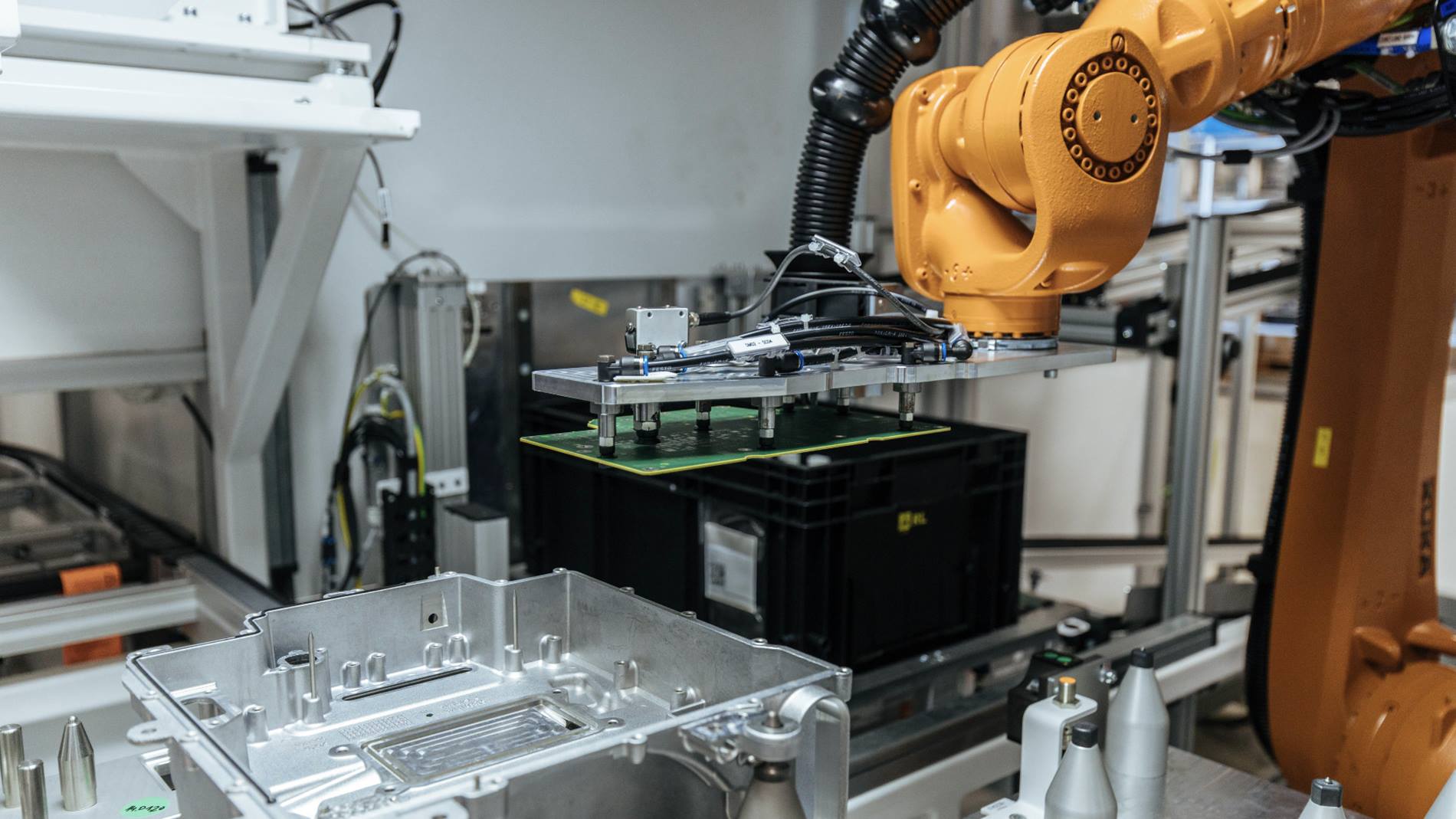
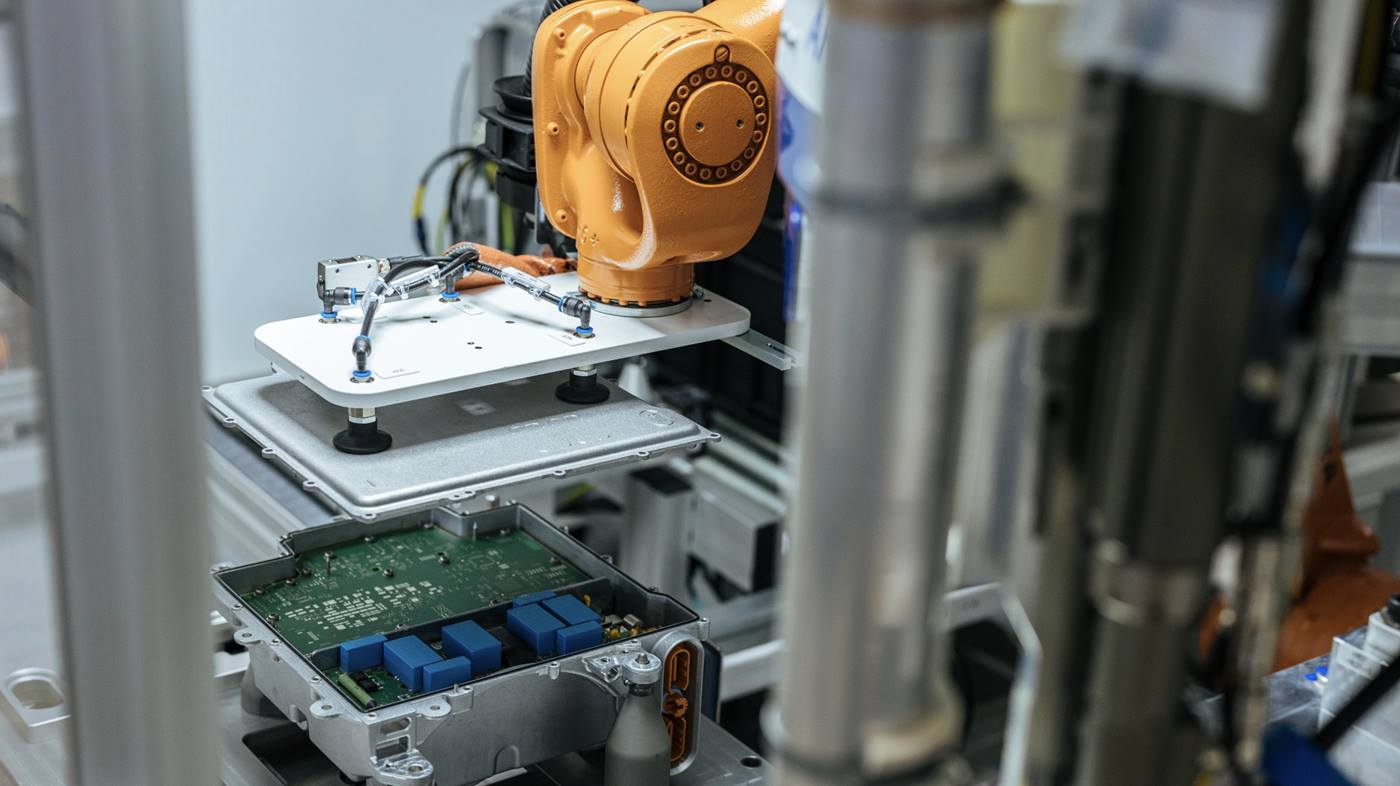
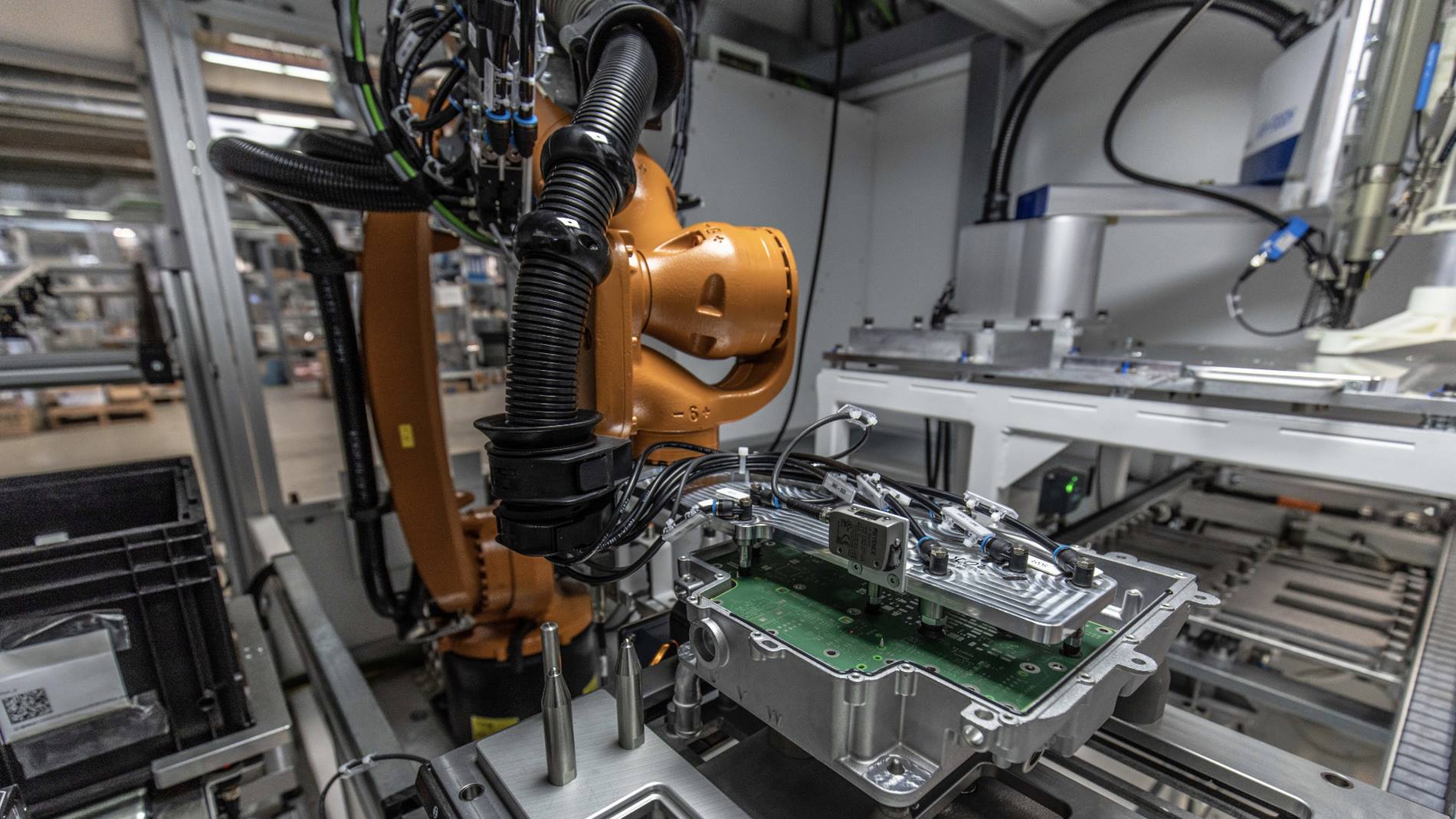
        Precise assembly: a KR CYBERTECH inserts the electronic inner workings into the housing of the electric vehicle control unit.

        The heart of the vehicle is created using KUKA robots

        One such example is a production line for the electronics module of electric cars on behalf of a Tier 1 supplier. And – as is customary in the case of heart operations – this is no easy task. “Our goal is to use the robot as a tool to find intelligent solutions that cannot be achieved by a conventional approach,” explains Georg Dullinger, Head of Sales at SAR.?In this case, that means setting up an automated production facility that not only assembles components to be installed in electric cars, but also controls and monitors all process steps from the marking of the individual parts, via screw-fastening and bonding tasks, to the testing and inspection of intermediate steps and ultimately the finished product.
        Almost finished: after automatic fitting of the cover, the control unit for the electric car is complete.

        Automation: maximum flexibility as a basic requirement

        ?“It is not sufficient simply to line up a row of robotic cells,” explains Dullinger. “There is no blueprint for these processes, no best practices.” Instead, SAR developed solutions for all stages of automation – and their intelligent combination to form an overall concept – long before the car models of the manufacturers were ready for series production. “The challenge is the high degree of flexibility: throughout the development phase, changes were constantly being made to the final model. Only the installation dimensions of the vehicles were fixed. The inner workings were highly modeled, however.”
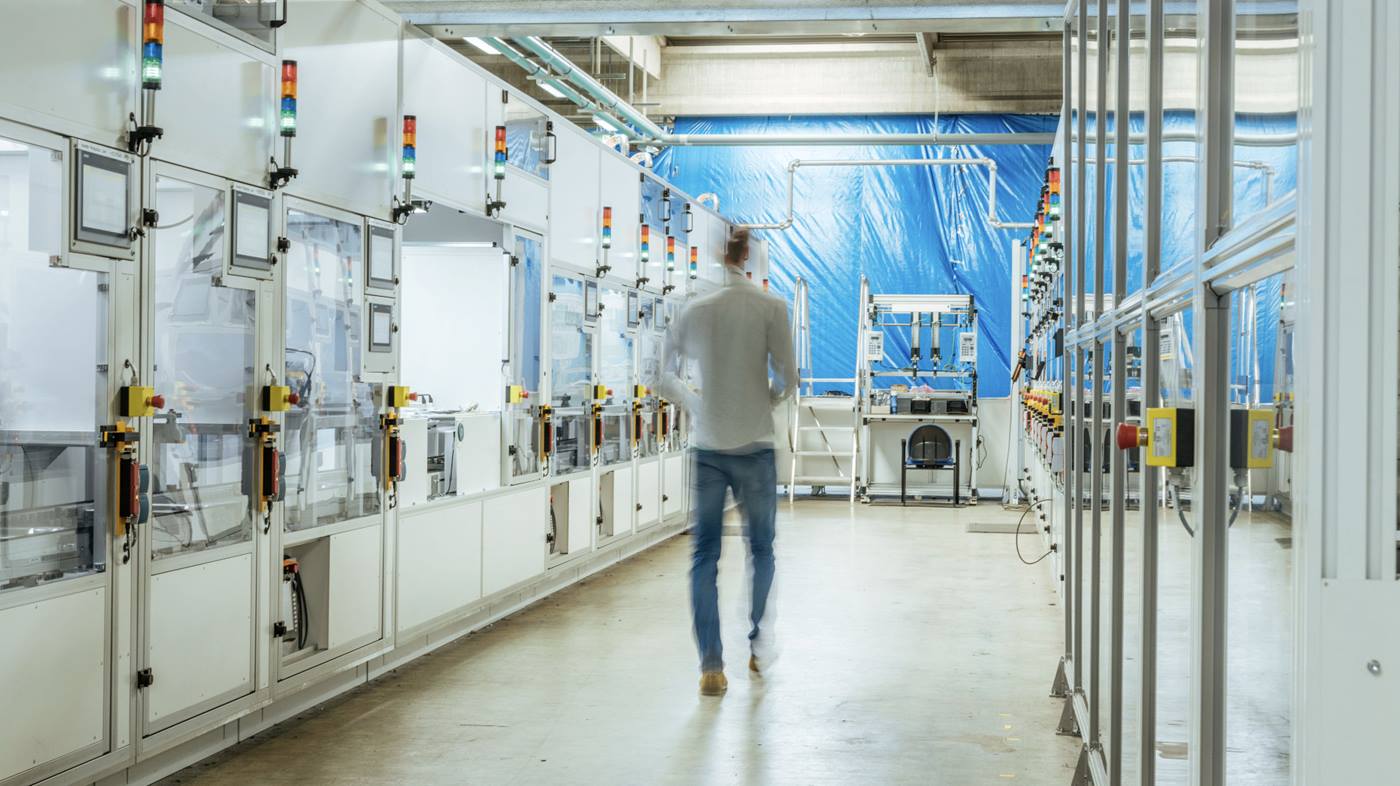
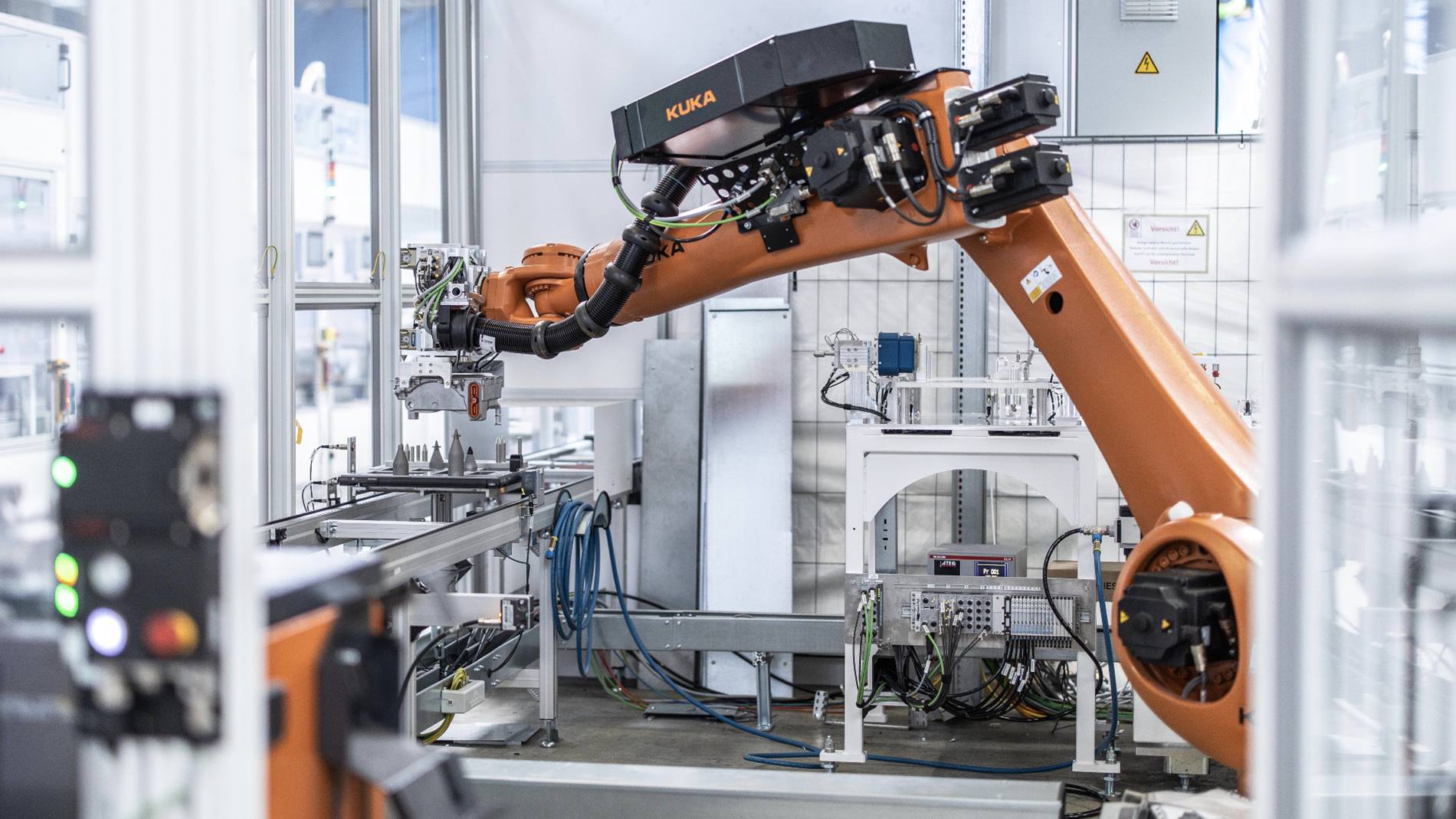
        Automated manufacturing and assembly with various robotic cells during trial runs at the SAR plant in Dingolfing.
        Even in the productive lines, there are still changes to the car components that need to be addressed quickly. In short: development and production are extremely agile. That is presumably the reason why it is not unlikely for the Chief Technology Officer of an automotive manufacturer to turn up in person in order to gain an impression of the state of automation. “That is quite unusual for companies of our size,” says Franz Steinbauer, project manager at SAR, smiling.
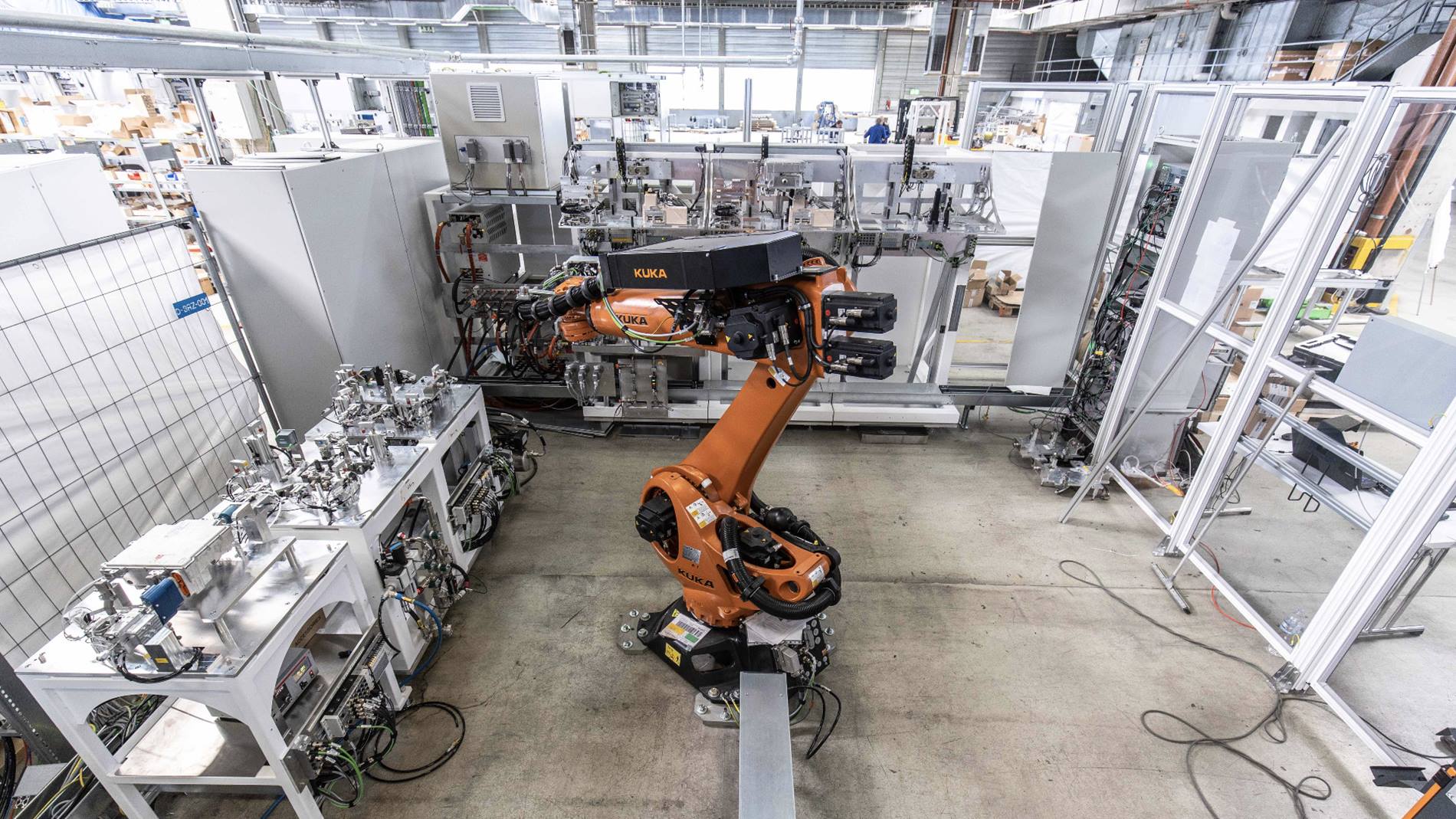
        Automating vehicle assembly: a KR QUANTEC robot checks the functionality and leak-tightness of the assembled control units for the electric car.

        Industrial robots ensure precise assembly of electric cars

        However, it is not only the executive who is convinced by the results of this long development work: 28 robots are used in the current configuration of the production line, 11 of which are from KUKA. They perform all relevant automation tasks in order to screw-fasten, bond and inspect 47 individual vehicle components, and ultimately to marry them with the car. Automation at the highest level.

        With the aid of KUKA robots, we can offer any degree of expansion, including complete production.

        Georg Dullinger, Head of Sales at SAR
        The individual steps of the assembly process sound unspectacular at first: the industrial robots insert various electronic components into the housing of the control unit for the electric cars. They clean and check, segregate or rework. That, at least, is the basic concept. However, the heart is as sensitive as it is vital for the finished electric car model – and the individual assembly steps must accordingly be carried out with care and precision.

        Robot system: screw-fastening under cleanroom conditions for e-mobility

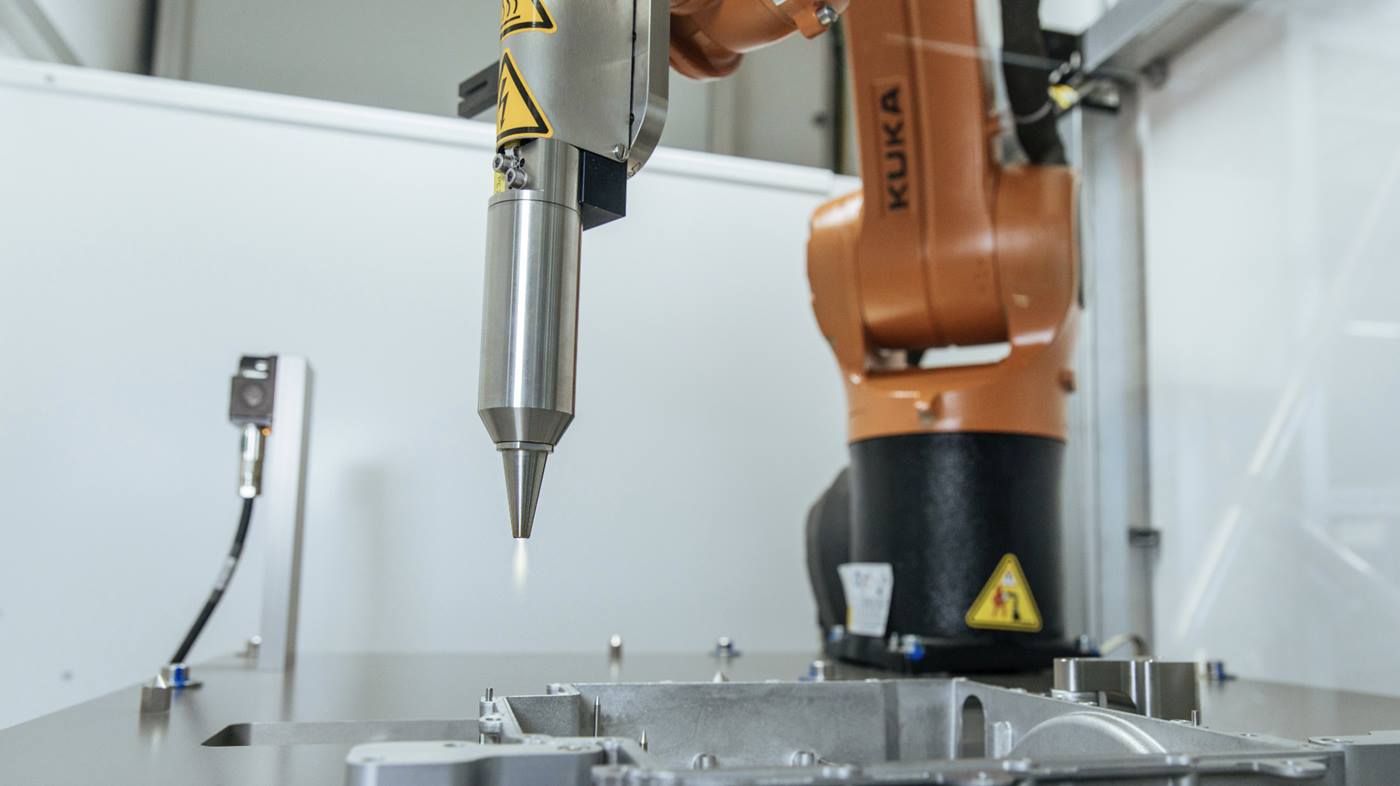
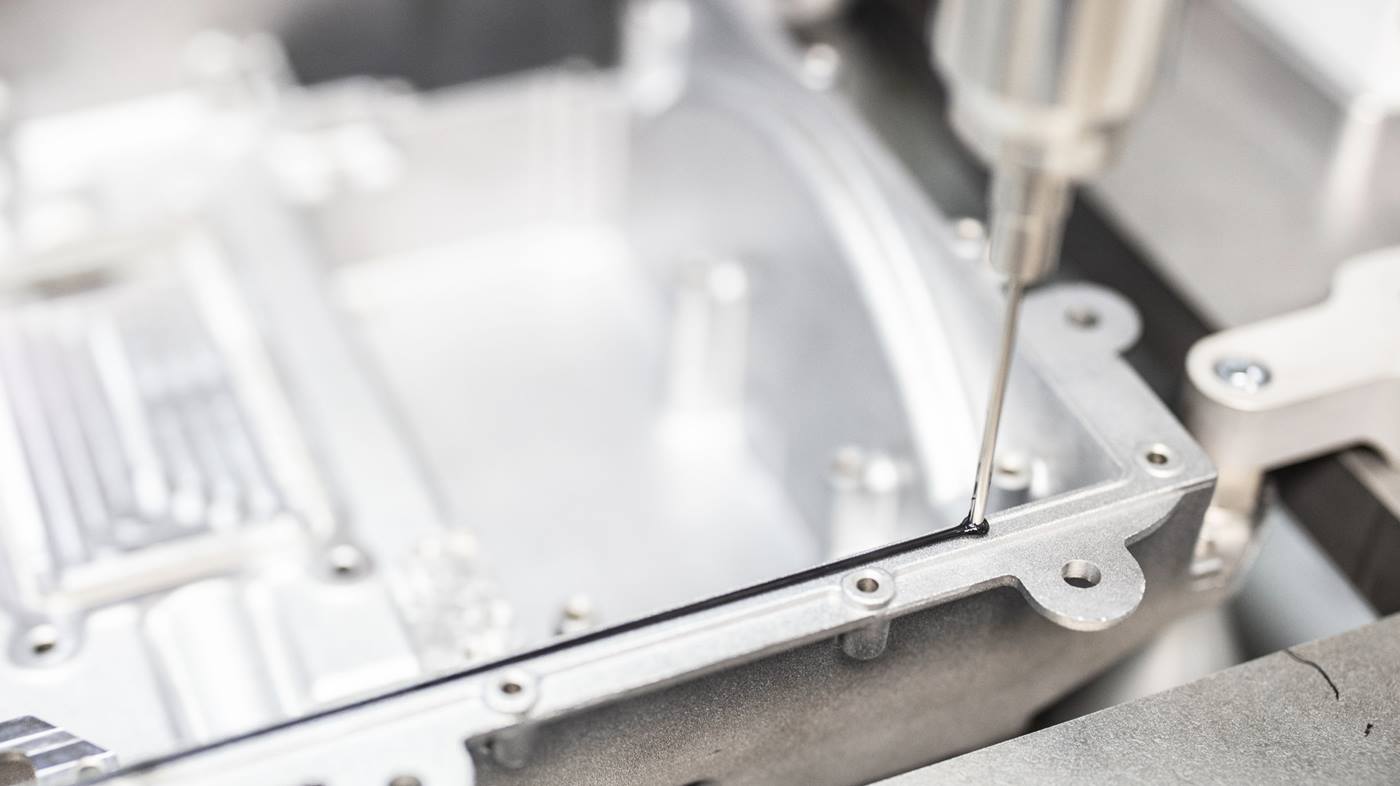
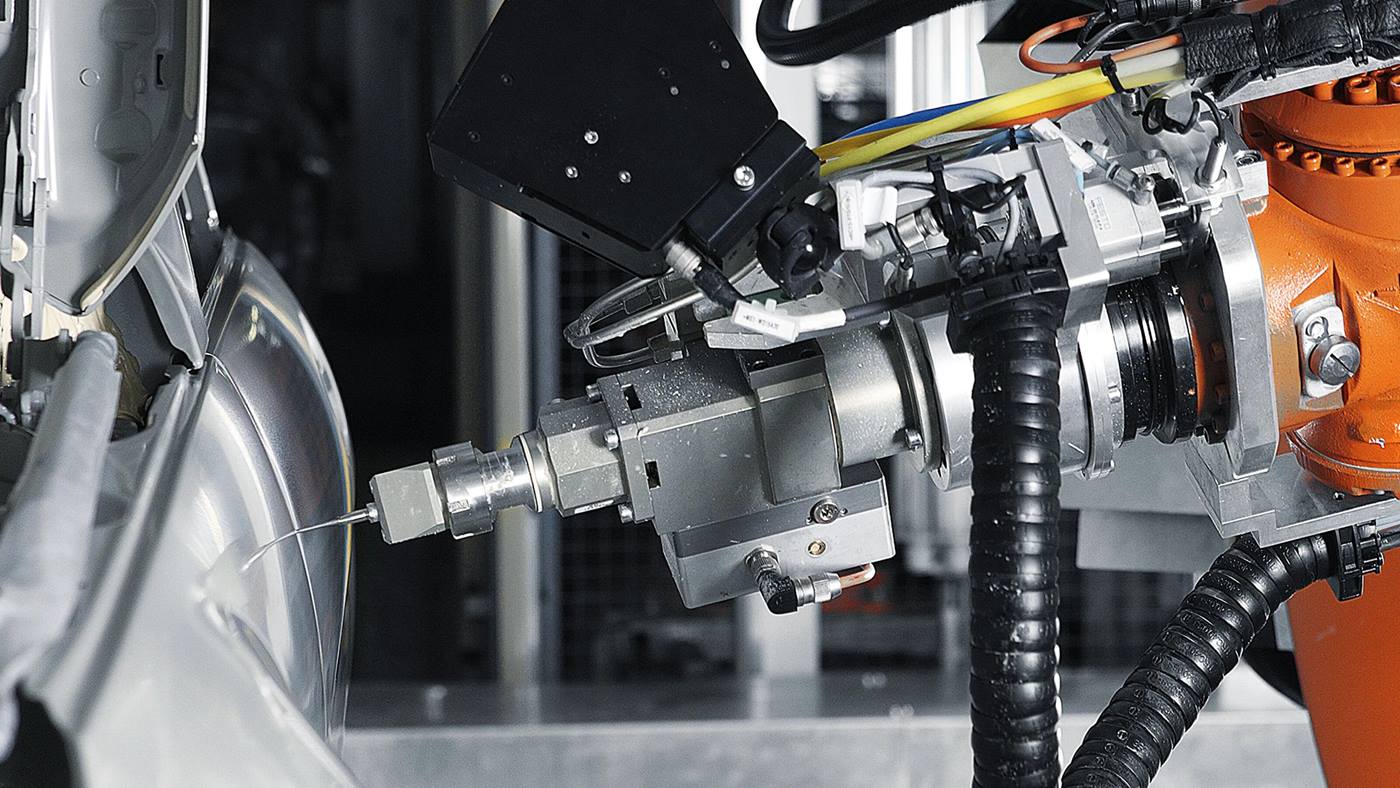
        This means, for example, that bonding points in the manufacturing process are first cleaned. For this purpose, a KUKA KR AGILUS?passes through the points with a plasma lance and frees them from dirt particles and other contaminants with ionized gas at a temperature of 30,000 degrees Celsius. The robot then applies sealant. A KR CYBERTECH?inserts various components into the housing. “Even the smallest electric currents can destroy the sensitive components,” says Franz Steinbauer, “that is why electromagnetic compatibility is particularly important here.”
        A KR AGILUS frees the bonding points from dirt particles with a plasma lance.
        A robot then screws the components together. “In total, we use 158 screws in eight different variants,” explains the project manager. “The system feeds a screw through a tube every four seconds.” While this may sound trivial, in practice it is more complicated. Since the screws are delivered as bulk goods, and this type of packaging automatically generates abrasion between the individual metal parts, a deflector separates screws and dust using compressed air. Assembly is carried out practically under cleanroom conditions.
        Automating assembly with robots: a KUKA robot applies sealant to the halves of the housing. 
        First assembly, then inspection: a KUKA KR QUANTEC robot inspects the control units for the electric car.

        Water and electricity are incompatible in production – or are they?

        “Over the entire assembly processes, we collect a so-called data tree for each component. This means that from the smallest screw to the housing cover of the electric vehicle, we can precisely trace where they come from and how they were processed. This enables subsequent conclusions to be drawn if the driver of the electric car experiences a failure,” explains Head of Sales Georg Dullinger.

        In the meantime, leak tests and function tests for the vehicle are repeatedly carried out in order to ensure the high quality of the processing. The final step is particularly fascinating: a KR CYBERTECH robot picks up the finished control units for the electric cars from the conveyor and fills them with water. “Water, electricity and data technology are actually never meant to meet each other,” says SAR project manager Franz Steinbauer. “But in this case we bring everything together within about 100 seconds; the water is used for cooling during the following steps.

        What degree of automation is called for?

        The KUKA robot places the control units in the high-voltage and low-voltage insulation test station – after all, at the end of the production process, alternating current pulses through the “arteries” of the electric car. The operating system is then loaded onto the electric hearts – the breath of life is infused into them, in a manner of speaking. Once all the tests are positive and the water has been drained out again, the control units are ready to start their lives as vehicle pacemakers.
        Small, but powerful! The control units of an electric car manufactured using KUKA robots.
        Operators currently load the production line and then remove the finished control units for the electric cars at the end. In the long term, however, this process step can also be automated. “With the aid of automated guided vehicle systems, we could already have the various electronics components picked up from a so-called supermarket now and taken to the stations,” says Georg Dullinger. “The solution is highly scalable and customizable.”

        It would be possible to set up the production line in various stages, for example, with parts of it even being used by suppliers at their own plants. “With the aid of KUKA robots, we can offer any degree of expansion, right up to complete production,” says Dullinger. “What degree of automation we implement depends entirely on our customers.”

        Find KUKA system partners in your area

        Find the right partner for your industry or specific challenge here.

        主站蜘蛛池模板: 亚洲色婷婷一区二区| 黄总av| 乱人伦国语对白| 国产二级一片内射视频插放| xxx.国产| 亚洲AVAV天堂AV在线网阿V | 狼狼狼色精品视频在线播放| 97国产一区二区精品久久呦| 中文字幕乱码亚洲无线三区| 欧美人与动zozo在线播放| 超碰热| 天天看片天天av免费观看| 亚洲男人第一无码av网| 久久精品女人天堂av免费观看| 亚洲中文字幕观看| 色播亚洲精品网站亚洲第一| 免费午夜福利| 亚洲精品无码成人aaa片| 91九色国产成人久久精品| 日韩色情无码| 亚洲狠狠婷婷综合久久久久图片 | 久久人人97超碰精品| 国产精品乱码一区| 精品久久久久中文字幕日本| 国产美女久久久亚洲综合| 国产美女视频一区二区三区| 国产精品美女久久福利网站| 91九色国产成人久久精品| 日本欧美一区二区三区在线播放| 国内精品久久久久影院蜜芽| 天天躁日日躁欧美老妇app| 草莓av| 欧洲A片| 在线日韩日本国产亚洲| 夜夜躁日日躁狠狠久久av| www婷婷| 肏屄视频在线播放| 亚洲精品一区二区三区小 | 乱人伦中文无码视频在线观看| 亚洲国产v高清在线观看| 狠狠色噜噜狠狠狠狠蜜桃|