<sub id="for6y"><s id="for6y"><form id="for6y"></form></s></sub>

    <cite id="for6y"></cite>

        <s id="for6y"></s>
        亚洲一品道一区二区三区,国产无套粉嫩白浆在线,51妺嘿嘿午夜福利,人人妻人人澡人人爽人人精品av,欧美一区二区三区欧美日韩亚洲,欧美一本大道香蕉综合视频 ,884aa四虎影成人精品,国产精品久久久久久福利69堂

        Válassza ki a helyét:

        Helyszín

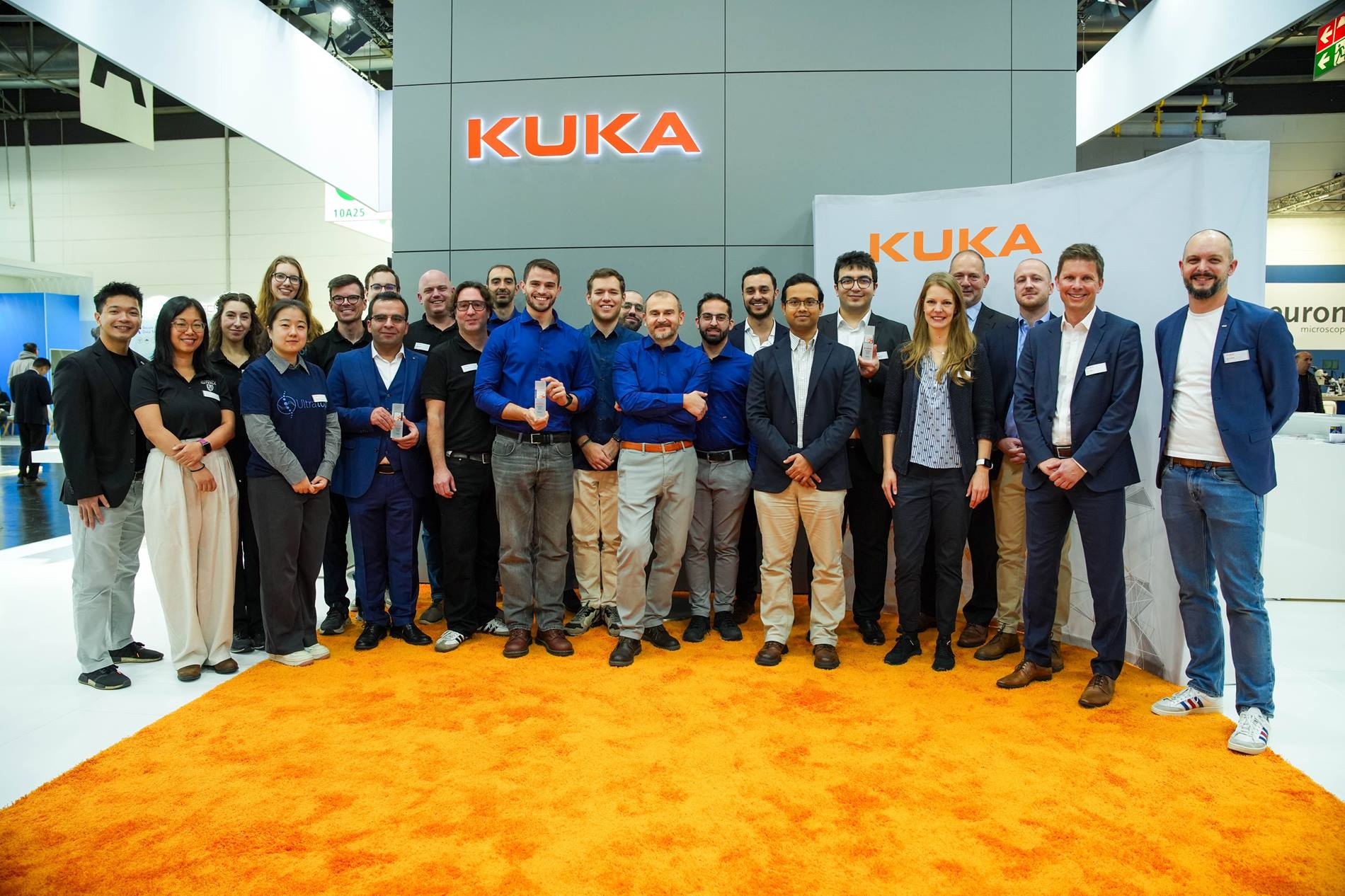
        KUKA Innovation Award team

        KUKA Innovation Award 2025

        That was the Medical Robotics Challenge 2.0: Team ULTRATOPIA wins the KUKA Innovation Award 2025. Find out more here!


        Medical Robotics Challenge 2.0: Team ULTRATOPIA convinces the jury

        Examining the spine during surgery using ultrasound: with this innovative medical robotics application, the team of researchers from Belgium and Switzerland impressed the jury of the KUKA Innovation Award 2025 and won the prestigious robotics competition.

        The KUKA Innovation Award 2025 aimed both at the interaction of robotic systems with humans in the medical environment and at robots as part of future medical applications. Applicants were asked to introduce and demonstrate new, innovative and interactive methods for improving health and care. These include applications with direct patient interaction in the fields of diagnostics, rehabilitation, surgery and other forms of therapy.
        Those were the five teams

        Team ULTRATOPIA - Belgium and Switzerland
        Winner of the KUKA Innovation Award 2025

        Pedicle screw placement (PSP) is a surgical technique used in spinal surgery to stabilize the spine in an anatomically challenging environment. It is most often used for spinal fractures, scoliosis and degenerative disc disease. Team ULTRATOPIA from KU Leuven and Balgrist University Hospital of the University of Zurich, partners in the EU-funded FAROS project, convined the jury with an advanced approach using collaborative multi-robotic systems to improve the accuracy of pedicle screw placement through non-radiative imaging. It includes a robotic arm equipped with ultrasound to monitor and guide the robotic drill arm during the procedure. This approach aims to improve the precision of the PSP, reduce registration errors and account for physiological movements to ultimately improve surgical outcomes.


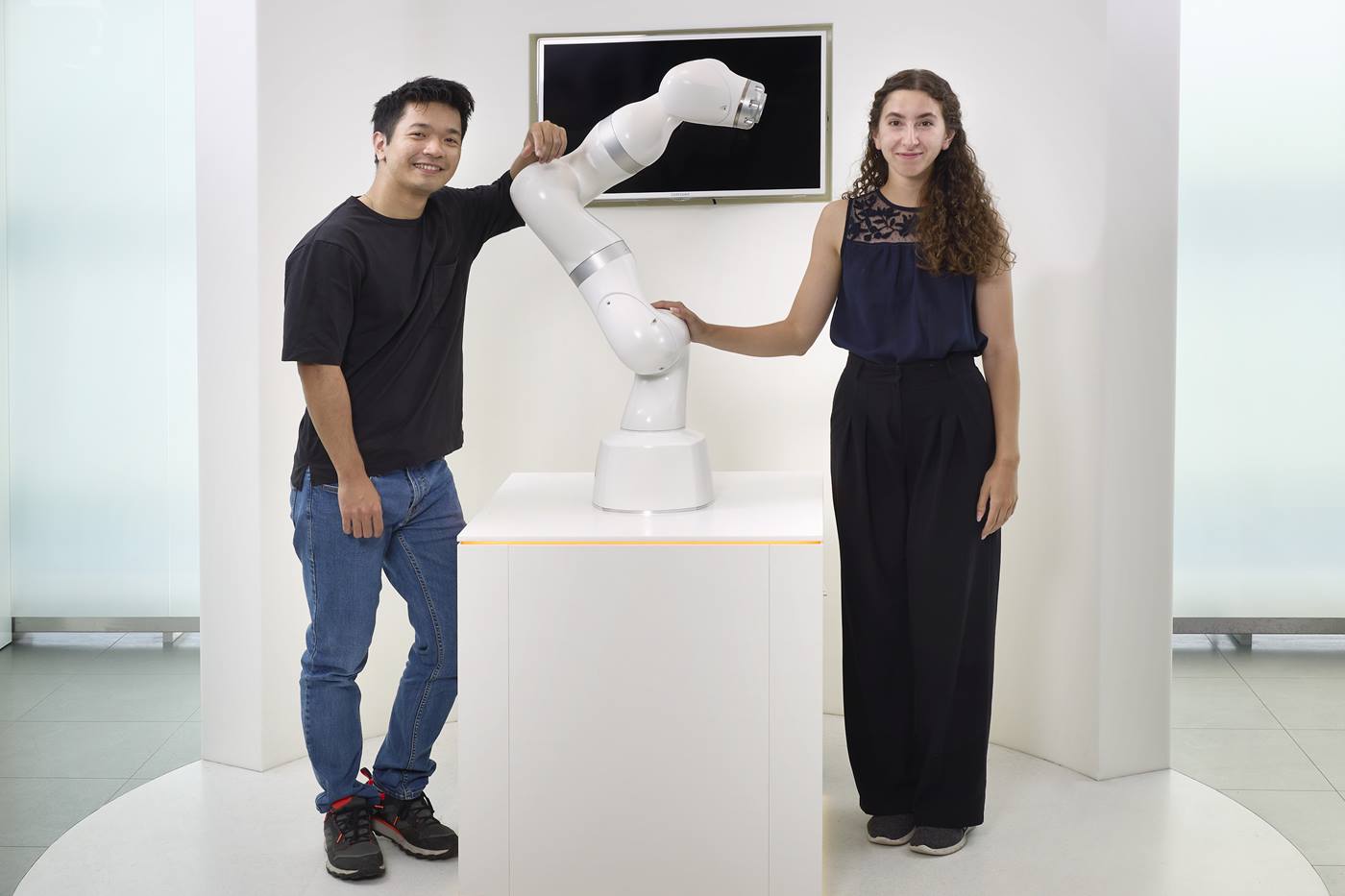
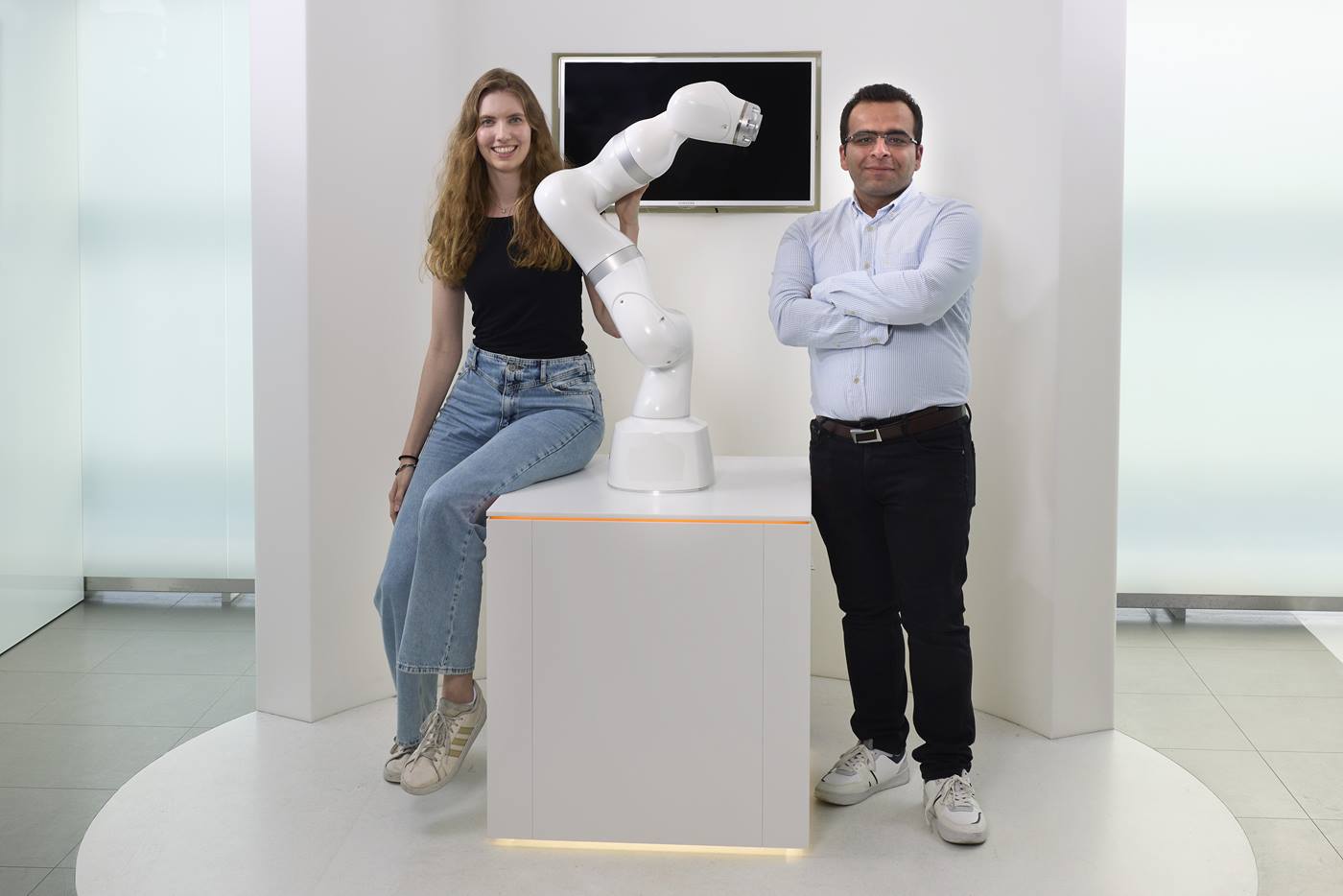
        Team ULTRATOPIA
        Members of team ULTRATOPIA

        Team guidooSpine - Germany 

        The BEC Robotics team is developing an image- and tracking-supported robotic assistance system for the efficient planning and precise execution of spinal interventions with straight surgical instruments and implants. The biggest challenge is the close proximity to the spinal cord, which poses a significant risk of injury to the nerve cord. The challenges of the procedure can be exacerbated by possible displacement of the target vertebra during the procedure, for example due to the patient's breathing, the patient's movement or the force exerted during the procedure. The robotic assistance system offers high precision under load. This enables better health outcomes while reducing the likelihood of damaging nerves or arteries. Applications include tumour removal near the spinal cord or the insertion of pedicle screws for spinal fusion, i.e. screws to stabilize the spine.


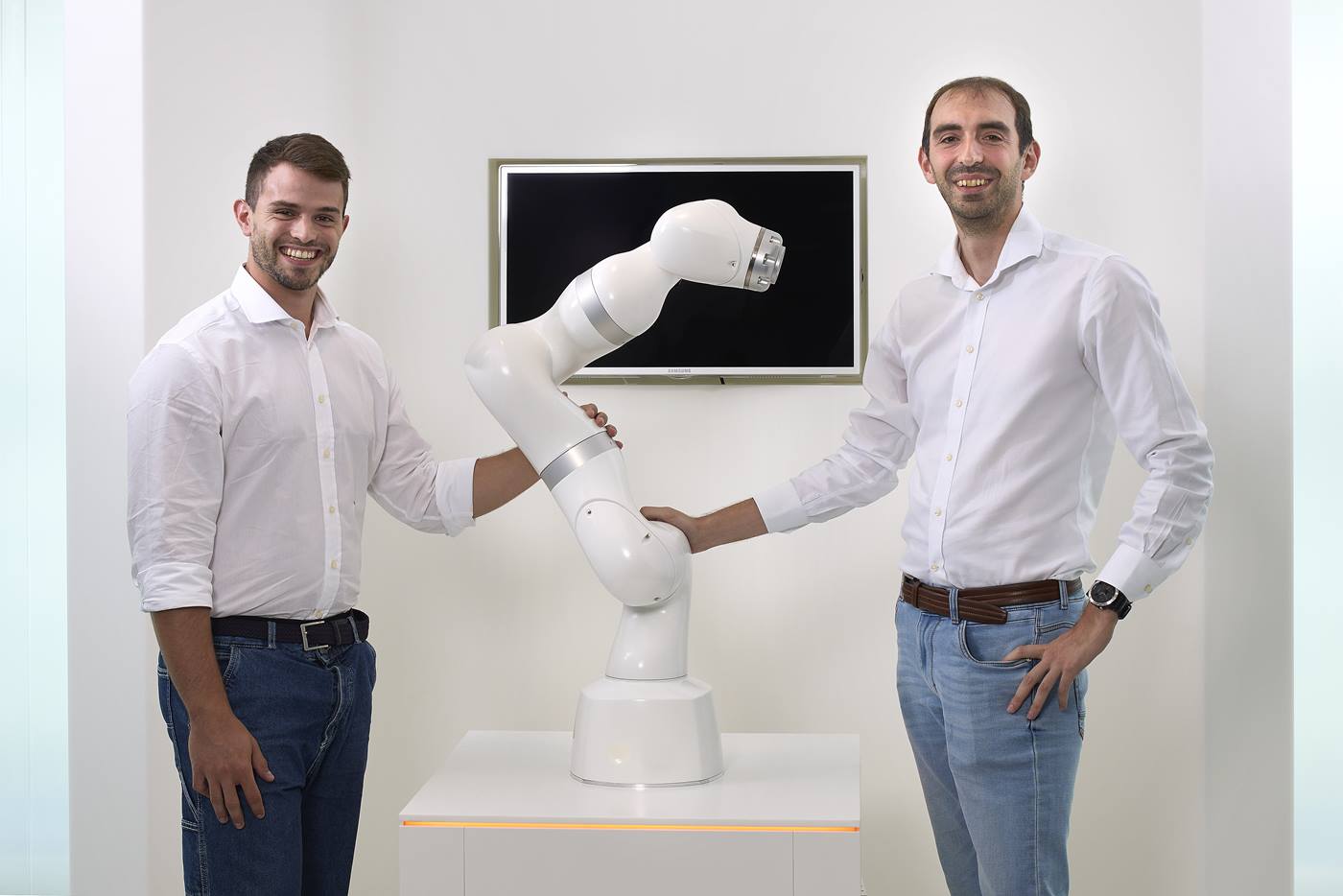
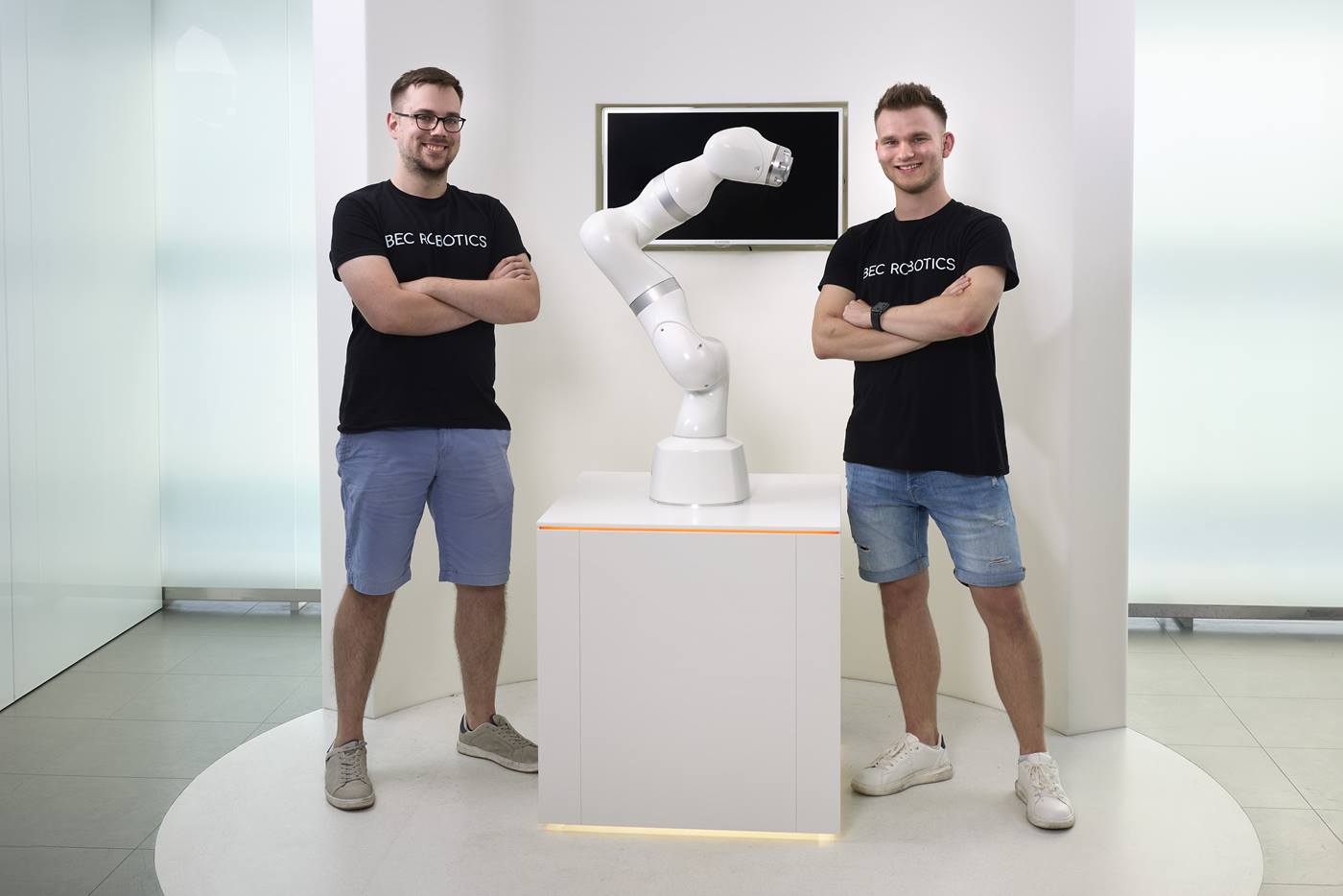
        Team BEC
        Members of team guidooSpine

        Team SERA - Canada

        Current robots in orthopedic surgery have limited cross-surgery capabilities, although many procedures have similar tasks to assess and repair damaged joints. The idea of Team Sera from the University of Waterloo aims to develop a robust collaborative multi-tasking robotic assistant for orthopedic surgery. The basis of this approach is the creation of modularized workflows where different types of tasks and tools can be adapted to the needs of a surgical procedure.

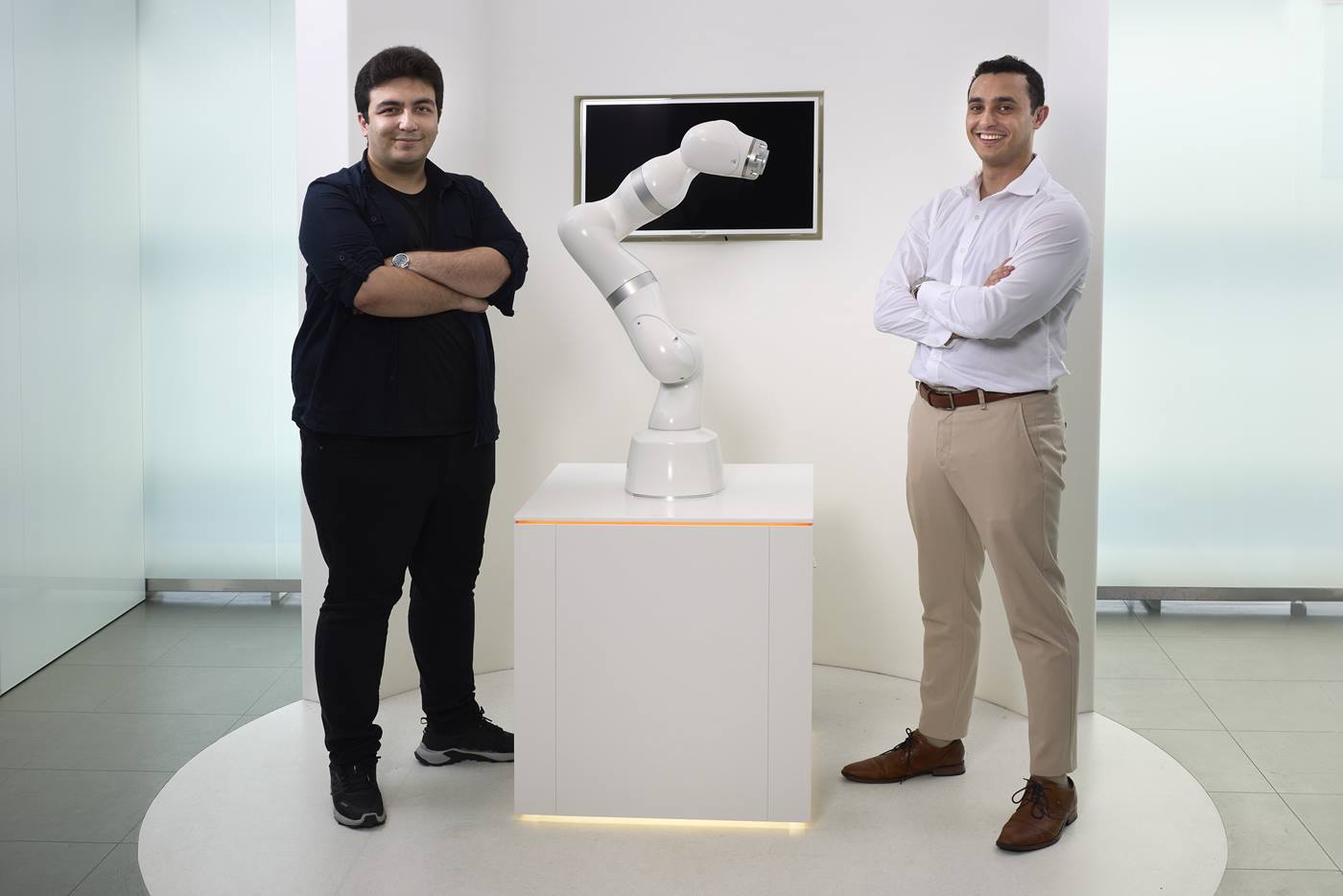
        Team SERA
        Members of team SERA

        Team AUROVAS - Italy

        Due to a lack of medical staff, there are no ultrasound screening campaigns to detect dangerous and asymptomatic vascular diseases. The concept of Team AUROVAS from the University of Ferrara therefore includes an autonomous robotic system to perform standardized ultrasound procedures to identify relevant vascular indicators. The ultrasound image generated by the ultrasound probe moved by the robot is processed by a deep neural network that segments the vascular structures and provides the final indicators. The system addresses three use cases: detecting abdominal aortic aneurysms, assessing the jugular venous pulse in chronic heart failure, and performing compression ultrasound to detect deep vein thrombosis.

        Team AUROVAS
        Members of team AUROVAS

        Team HERMIS - Germany

        The conventional MRI scanner offers excellent soft tissue contrast, 3D visualization and physiological monitoring capabilities, but the high cost of integrating such imaging devices into hospitals limits their widespread use in smaller clinics and resource-limited countries. The advent of low-field MRI technology has enabled cost-effective diagnostic solutions that are expanding access to magnetic resonance imaging (MRI) devices worldwide. These portable low-field MRI scanners are designed for imaging a specific region of the body due to their limited range of motion, workspace, and magnetic field strength. EndoSurge, a spin-off from the Max Planck Institute for Intelligent Systems, aims to solve these problems with the design and development of HERMIS (Human Endovascular Robotic Magnetic Imaging System), the world's first robotic, portable MRI scanner for versatile diagnostics.

        Team HERMIS
        Members of team HERMIS

        Judges

        The jury consists of renowned professors from the fields of robotics and medicine, founders in the field of medical technology, doctors, an editor from a leading global magazine and experts from industry. An exchange and contact with such experts is often a springboard for further projects.

        • Evan Ackerman

          Evan Ackerman is a senior editor at IEEE Spectrum, where he has been writing about robots, science, and emerging technology for over 10 years. After co-founding his own robotics blog in 2007, he began writing for IEEE Spectrum in 2011. In addition to Spectrum, Evan’s work has appeared in a variety of other websites and print magazines, and you may have heard him talking about robots on NPR’s Science Friday or the BBC World Service if you were listening at just the right time. Evan currently lives in Washington DC, and a steadily growing collection of robot vacuums. In his spare time, he enjoys scuba diving, rehabilitating injured raptors, and playing bagpipes excellently.

        • Patrick Andreas Meere

          Patrick Andreas Meere is Clinical Professor of Orthopaedic Surgery at New York University Grossman School of Medicine with 30-year surgical expertise in the clinical integration of advanced technology to the field of joint arthroplasty, specifically knee and hip replacement. He was instrumental in the pioneering development of navigated instrumentation, sensor-based kinetic balancing of the knee, and multiple robotic assisted surgical protocols. Dr. Meere has trained generations of Adult Reconstructive Fellows and Visiting Colleagues in Robotic Surgery and has authored numerous articles and book chapters in the field. In 2015, he founded and directed the Laboratory for Advanced Arthroplasty Research and Robotic Surgery (LAARS) at the NYU Langone Orthopaedic Hospital. He has served as Senior Consultant to major implant companies and start-ups. His involvement with the International Society for Computer Assisted Orthopaedic Surgery had led him to be the President of the 2019 New York CAOS International Meeting and the Past Chairman of the Society. He is also an active member of the International Society for Technology in Arthroplasty (ISTA). He holds a BSc Honours Degree in Physics from McGill University in Montreal, where he also obtained his Medicine and Surgery Doctorate. His current field of research focuses on integrated intra-operative data capture with Machine Learning protocols as well as collaborative robotic integration in the Operating Theater.

        • Henry Norton 

          Henry Norton is the Managing Director and Founder of RW Search. A MedTech search and advisory business who are THE experts in Surgical Robotics. RW’s mission is to place visionaries in leading companies to help us live longer healthier lives. Having worked with surgical robotics companies from napkin sketch to the global corporations, Henry and the team are committed to building companies, careers and the industry.

          Along with his work in search, Henry is the host of The Surgibots Podcast, which has a simple aim, tell the stories of the surgical robotics industry some of the companies hosted include; Moon Surgical, Stereotaxis, Promaxo, Nanoflex Technologies and many more. Find it on spotify and apple podcasts.

        • Prof. Oussama Khatib

          Oussama Khatib received his PhD from Sup’Aero, Toulouse, France, in 1980. He is Professor of Computer Science and Director of the Robotics Laboratory at Stanford University. His research focuses on methodologies and technologies in human-centered robotics, haptic interactions, artificial intelligence, human motion synthesis and animation. He is President of the International Foundation of Robotics Research (IFRR) and a Fellow of the Institute of Electrical and Electronic Engineers (IEEE). He is Editor of the Springer Tracts in Advanced Robotics (STAR) series, and the Springer Handbook of Robotics, awarded the American Publishers Award for Excellence in Physical Sciences and Mathematics. He is recipient of the IEEE Robotics and Automation (IEEE/RAS) Pioneering Award (for his fundamental contributions in robotics research, visionary leadership and life-long commitment to the field), the IEEE/RAS George Saridis Leadership Award, the Distinguished Service Award, the Japan Robot Association (JARA) Award, the Rudolf Kalman Award, and the IEEE Technical Field Award. Professor Khatib is a member of the National Academy of Engineering.

        • Josef de Pfeiffer 

          Josef de Pfeiffer is founder of SurgicalRoboticsTechnology.com (SRT), the world’s leading online publication and sourcing platform for the surgical robotics industry. Prior to founding SRT, Josef was the commercial leader for Novanta’s Precision Motion business providing sensing technologies into many of the emerging and established surgical robotic systems. He holds a bachelor’s degree in Business Management from the University of East Anglia and a master’s degree in Global Marketing with Innovation. Other platforms within Josef’s portfolio include eVehicleTechnology.com, HumanoidTechnology.com and RestaurantRoboticsTechnology.com.

        • Volker Schmirgel

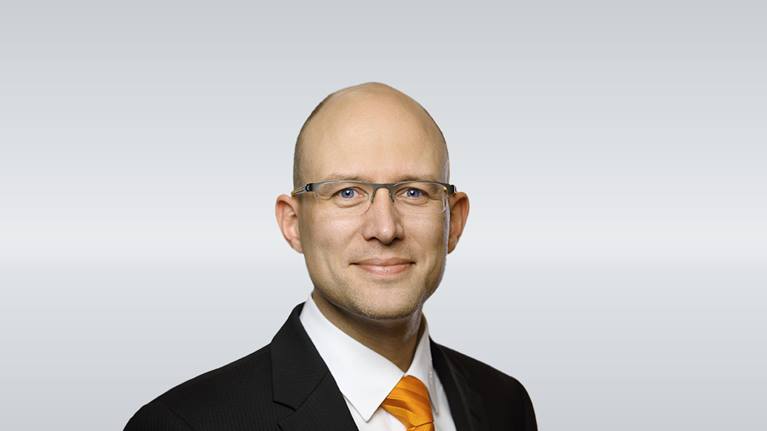
          Volker Schmirgel

          During his career at KUKA, Volker Schmirgel has been responsible for various research and development activities in the field of robotics. After completing his studies in electrical engineering, specialising in robotics, at RWTH Aachen University, Volker Schmirgel began his career at KUKA in 2006. For more than five years, he worked on and headed various research projects in KUKA's Corporate Research department. He was then responsible for the market launch of the first collaborative robot "LBR iiwa" in close collaboration with R&D. From 2016, his focus was on the development of software and hardware for a new human-robot collaboration (HRC) robot system. This work resulted in the KUKA LBR iisy and later in the KUKA LBR iisy product family.
          Volker Schmirgel has headed KUKA's Technology and Innovation Centre (TIC) since 2023.

        • Prof. Dr. Ir. Stefano Stramigioli

          Stefano Stramigioli is professor of Advanced Robotics at the University of Twente and chair of the Robotics And Mechatronics (RAM) Lab, a large lab of more than fifty people working on all different aspects of imaging, mechatronics and robotics. The group is broad and multidisciplinary. Thanks to its size and spectrum, it is able to compete at the international level with other research groups of similar or bigger sizes in their field. 

          Stramigioli covers a number of additional external positions: He has been the founder of the first robotics center in the Netherlands LEO Center of Service Robotics (2008), (formerly known as Romech). He was also founder of RoboNED (2010), which is now transitioned to Holland Robotics. Furthermore, he currently serves a second term as Vice President Research of euRobotics, representing the private part of SPARC, the contractual PPP with the European Commission running the biggest Civil robotic program worldwide for the last years. He is also co-chairing the Bio-mechatronics and Energy-Efficient Robotics Lab at ITMO University, St.Petersburg, Russia.

        • Axel Weber

          Axel Weber is Vice President Medical Robotics at KUKA. The graduated engineer joined the Augsburg-based automation specialist via various stations and has been dedicated to the medical sector since 2012. KUKA is a leading supplier of robotic components for medical devices. It is the only globally operating robotics company with an entire business unit dedicated to medical robotics. KUKA robots are frequently being integrated in medical devices. The applications vary from diagnostics to therapy. Due to the product portfolio of KUKA, medical device companies can choose from cobots to robots with heavy payloads for carrying heavy medical equipment.

        Impression from Innovation Award 2025

        主站蜘蛛池模板: 亚洲老熟女乱女一区二区| 中文字幕日本在线视频二区 | 成人黄色A片| 国产精品成人亚洲| 特黄A级毛片免费视频| 亚洲AV日韩AV永久无码下载| 老司机亚洲精品| 99视频精品在线| 国产精品一区二区主播| av偷拍亚洲一区二区三区| 啊V在线| 99re国产电影精品| 国产精品一二区在线观看| 综合Av| 另类图片色五月| 日韩精品久久精品三级| 好湿好爽好大好黄欧美国产不卡| 欧洲一区二区中文字幕| 7777精品伊人久久久大香线蕉全新功能 | AV一区二区三区| 亚洲精品国产美女久久久| 美女自卫慰黄网站| 亚洲偷| 亚洲欧美中文字幕| GOGO专业大尺度亚洲高清人体| 国产在线精品国偷产拍| 精品国产免费一区二区三区香蕉| 亚洲人妻一区二区精品| 国产日产亚洲欧美综合另类| 好吊妞人成视频在线观看27du| 伊人久久免费视频| 婷婷五月开心亚洲综合在线| 69精品人人人| 久久国内精品一国内精品| 99久久机热/这里只有精品| 国产又黄又湿无遮挡免费视频| 人妻中文字幕亚洲精品| 她也色tayese在线视频| 2021无码最新国产在线观看| 2018男人天堂| 亚洲AV永久久久久久久浪潮|