<sub id="for6y"><s id="for6y"><form id="for6y"></form></s></sub>

    <cite id="for6y"></cite>

        <s id="for6y"></s>
        亚洲一品道一区二区三区,国产无套粉嫩白浆在线,51妺嘿嘿午夜福利,人人妻人人澡人人爽人人精品av,欧美一区二区三区欧美日韩亚洲,欧美一本大道香蕉综合视频 ,884aa四虎影成人精品,国产精品久久久久久福利69堂

        Select your location:

        Location

        Select your language:

        RFID-based component identification in manufacturing

        Farewell to the barcode: KUKA and HARTING are building on radio frequency identification with OPC_UA communication.


        Smart factories require smart processes and technologies

        In the context of Industrie 4.0 and the increasing automation and digitization in production shops, radio frequency identification (RFID) is also gaining importance. The reason: intelligent production is only possible if robots, tools, grippers and workpieces can be digitally identified and information can be exchanged.

        Radio frequency identification is a basic prerequisite for 4.0 manufacturing.

        Harald Heinrich, Head of Competence Center der KUKA Division Automotive

        In this context, KUKA is building on the know-how of HARTING, the leading global supplier of industrial connection technology, and also involved in the standardization of RFID communication. RFID systems are being implemented and tested in KUKA's matrix production – a versatile and flexible manufacturing system

        RFID systems identify machines, tools, components or other process-relevant objects in extremely challenging and harsh industrial environments. This allows for transparent design and precise control of processes. Thanks to this technology, unambiguous identification of objects is possible – as are the determination of object location and the exchange of information. The transponder makes things smart and is thus an important building block for manufacturing in accordance with Industrie 4.0.?

        RFID floor TAG for check-in and RFID check-out of AGVs

        RFID technology in Matrix production: Intelligent identification for flexible manufacturing solutions

        RFID replaces barcodes or manual labeling with wireless, automatic identification.

        Smart production via RFID?

        Transmitter-receiver systems, such as RFID technology, enable the automatic and non-contact identification and localization of objects. The transponder is stimulated and transfers its data via electromagnetic waves emitted by the read/write unit. Featuring a processor the size of a grain of sand, the transponder is directly attached to the respective object. The power supply is ensured by the antenna, through which the energy intake is accomplished during the communication process. A unique number sequence makes it unambiguously identifiable worldwide.?

        And that is not possible with a barcode? In principle, it is. However, the barcode does have one decisive disadvantage: it is not bidirectional and thus the data cannot be changed. Unlike the transponder, which is rewritable and can function as a data storage medium. A further advantage of the transponder is that it can be placed inside the object and is thus more resistant to dirt. In addition, no visual contact is required and several transponders can be read simultaneously

        In flexible and adaptable production, RFID technology plays a decisive role since it ensures that the individual participants are networked. Our systems now also provide the necessary object intelligence in KUKA’s matrix production.

        Stefan Olding, CEO of HARTING Deutschland

        RFID in KUKA matrix production

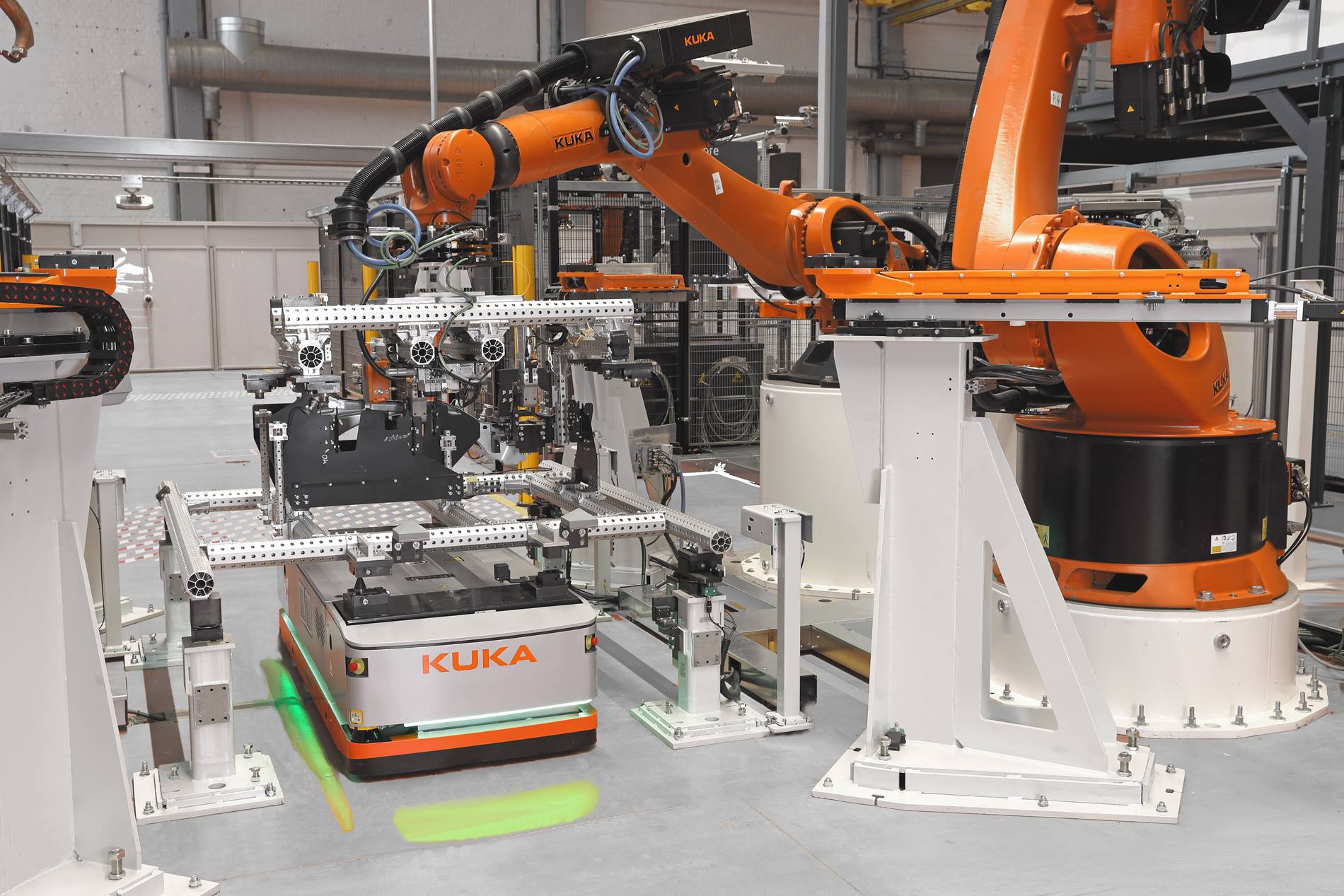
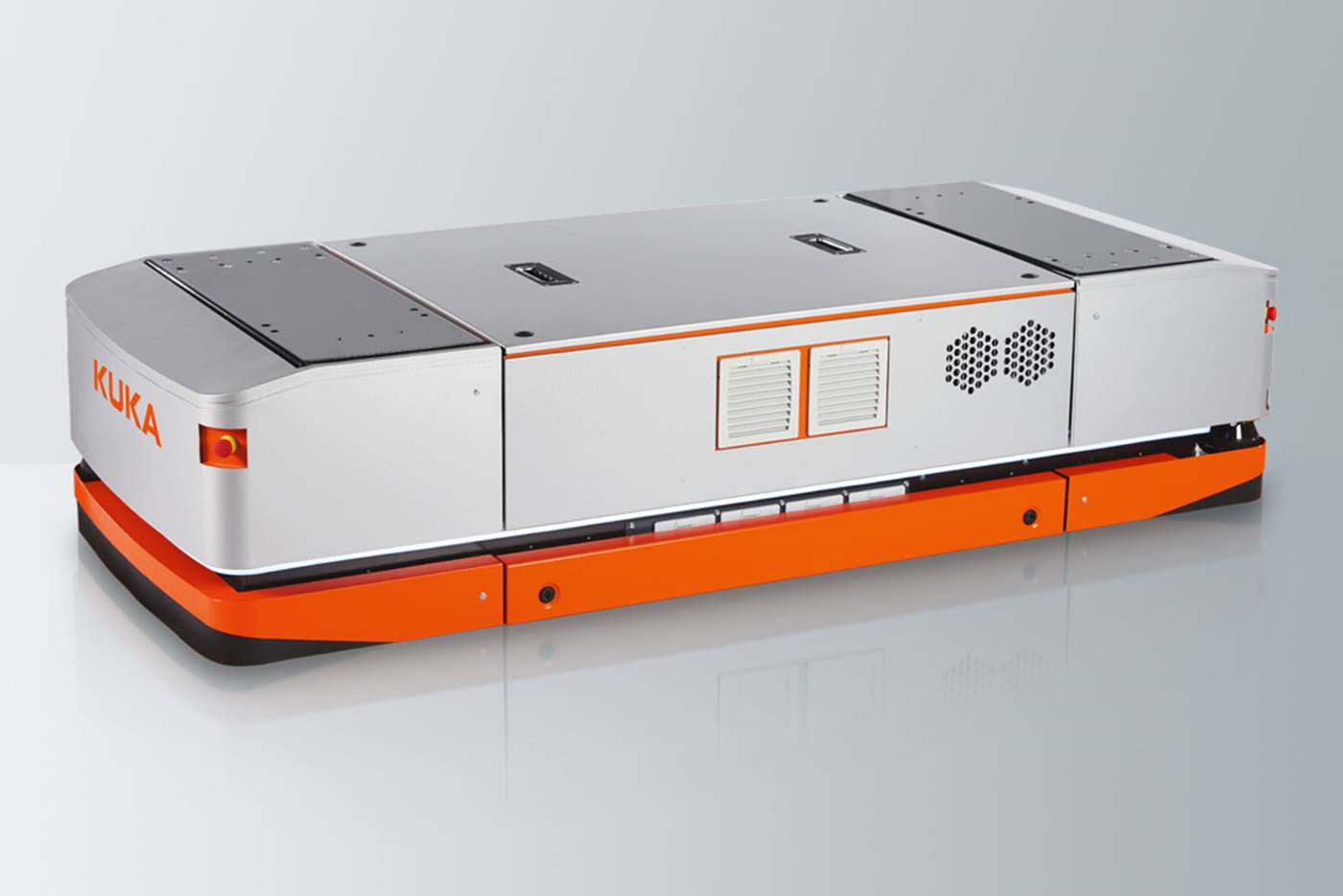
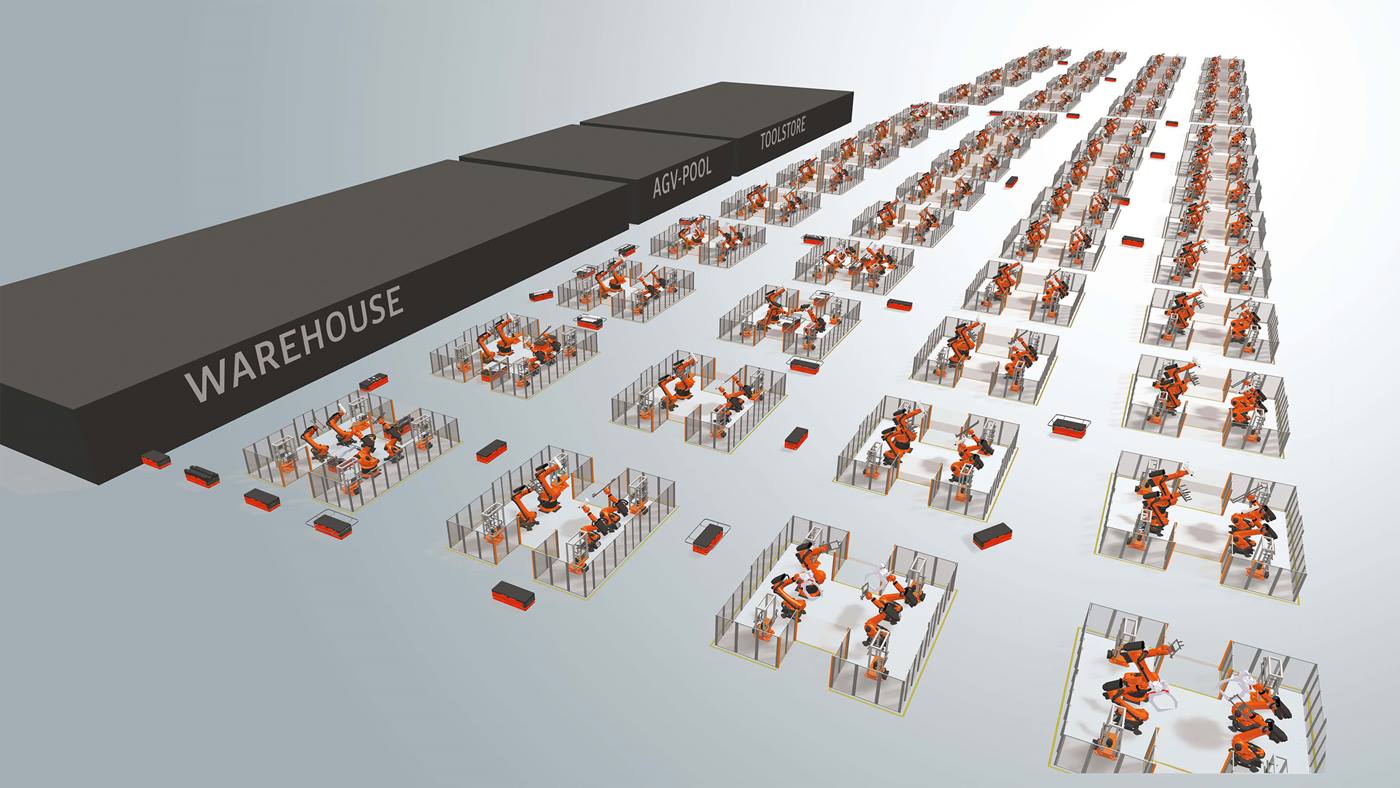
        Adaptable and flexible: this is how components are manufactured in KUKA matrix production. A key role is played here by the automated guided vehicles (AGV) and KUKA SmartProduction_control software, which is based on technologies with artificial intelligence (AI). The smart pilot faciltity is located at the Augsburg site of the system and machine builder and is being tested there. Standardized production cells form the basis. They are equipped with product-neutral basic functions and can be easily expanded with product-specific tools depending on the order situation and batch sizes.

        Reading and writing the RFID transponder in the machining station (robot cell).

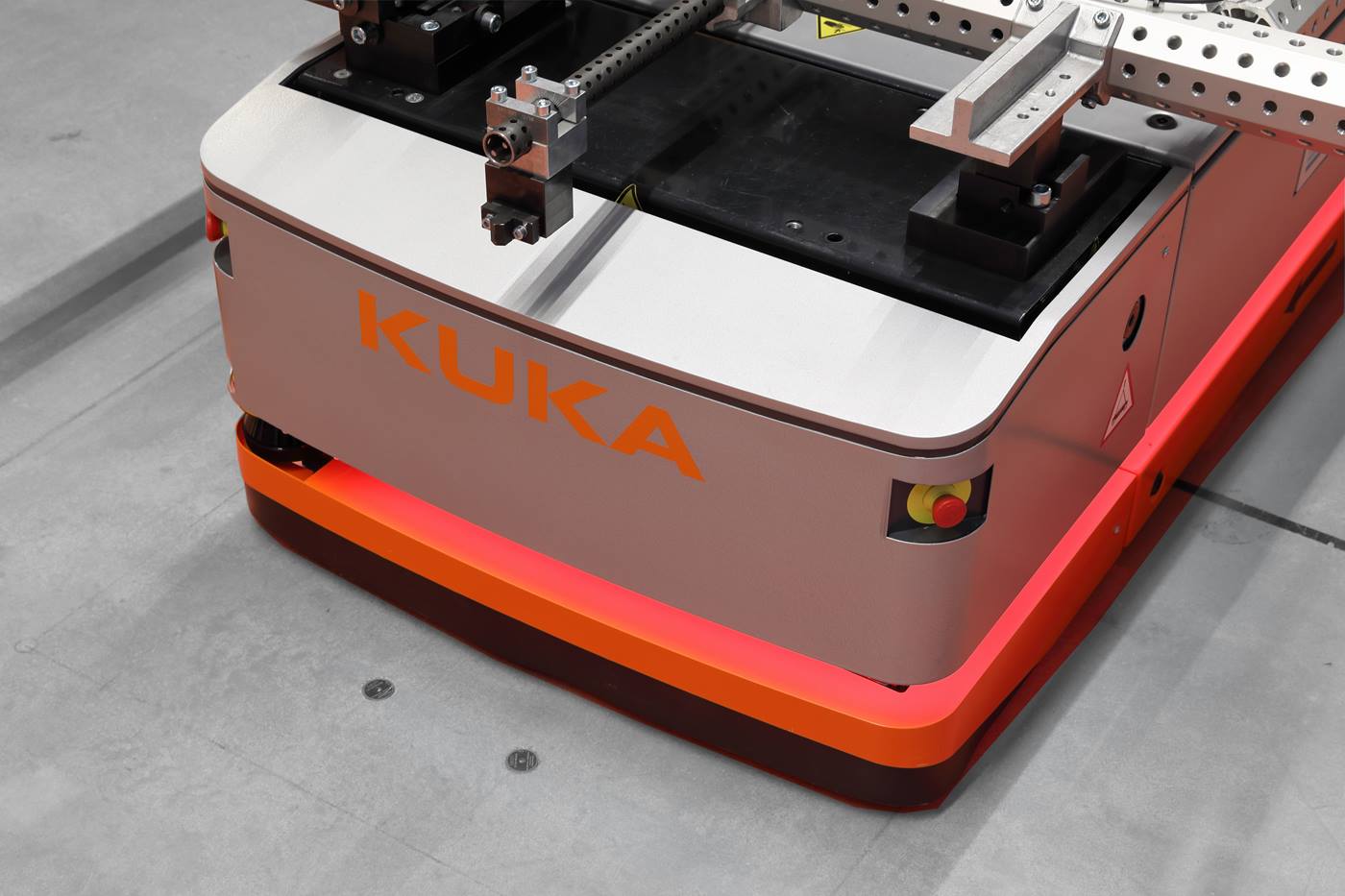
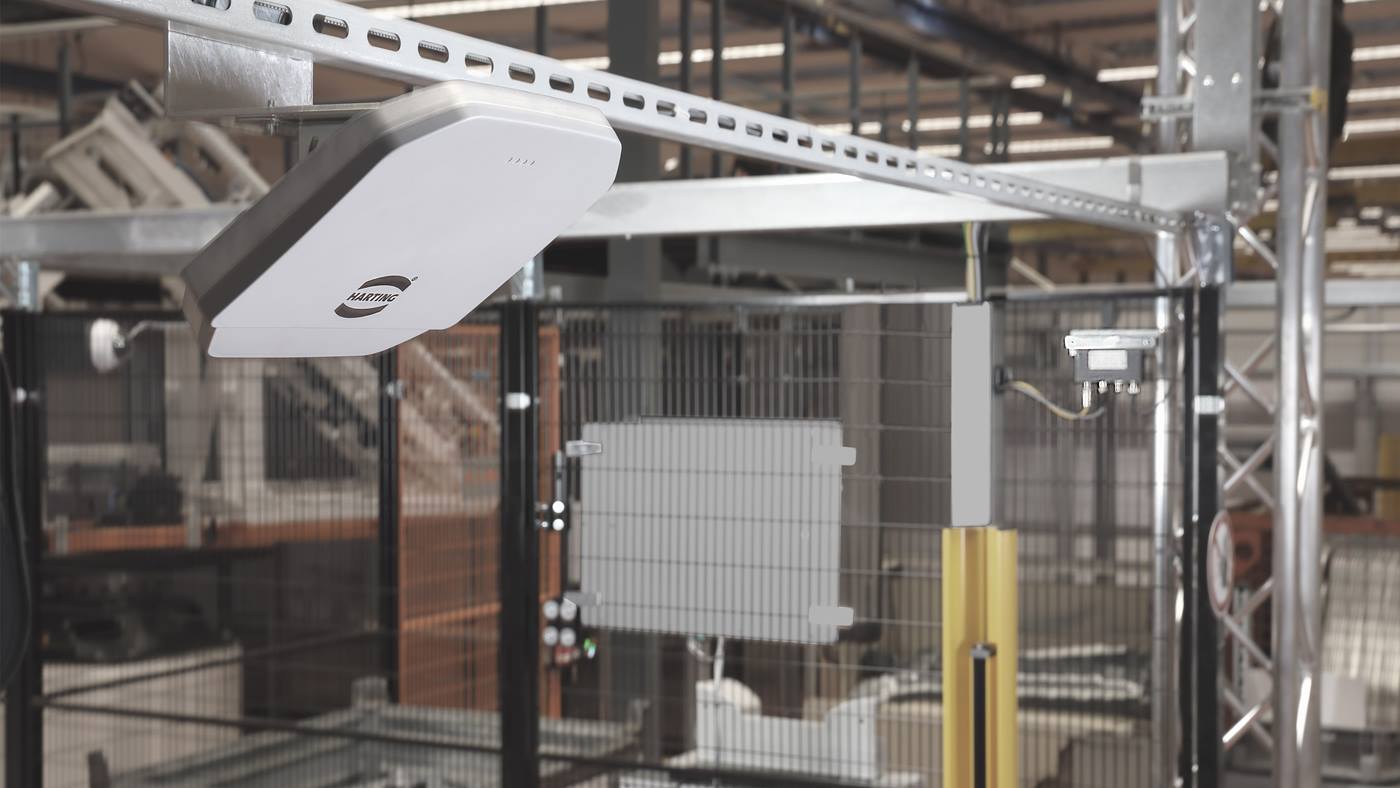
        The AGVs are responsible for transporting the components. This is done fully automatically. The individual robots pick up the components supplied to them by the AGVs and join them using the relevant technology. In the test cell, car doors and wheel arches for various OEMs are manufactured on the same system: conversion is carried out in a short space of time. The RF-R300 RFID system from HARTING is also deployed here.?


        We have opted for RFID technology from HARTING because it is capable, among other things, of communicating with our SmartProduction_control software and our PLC via OPC_UA.

        Harald Heinrich, Head of Competence Center der KUKA Division Automotive

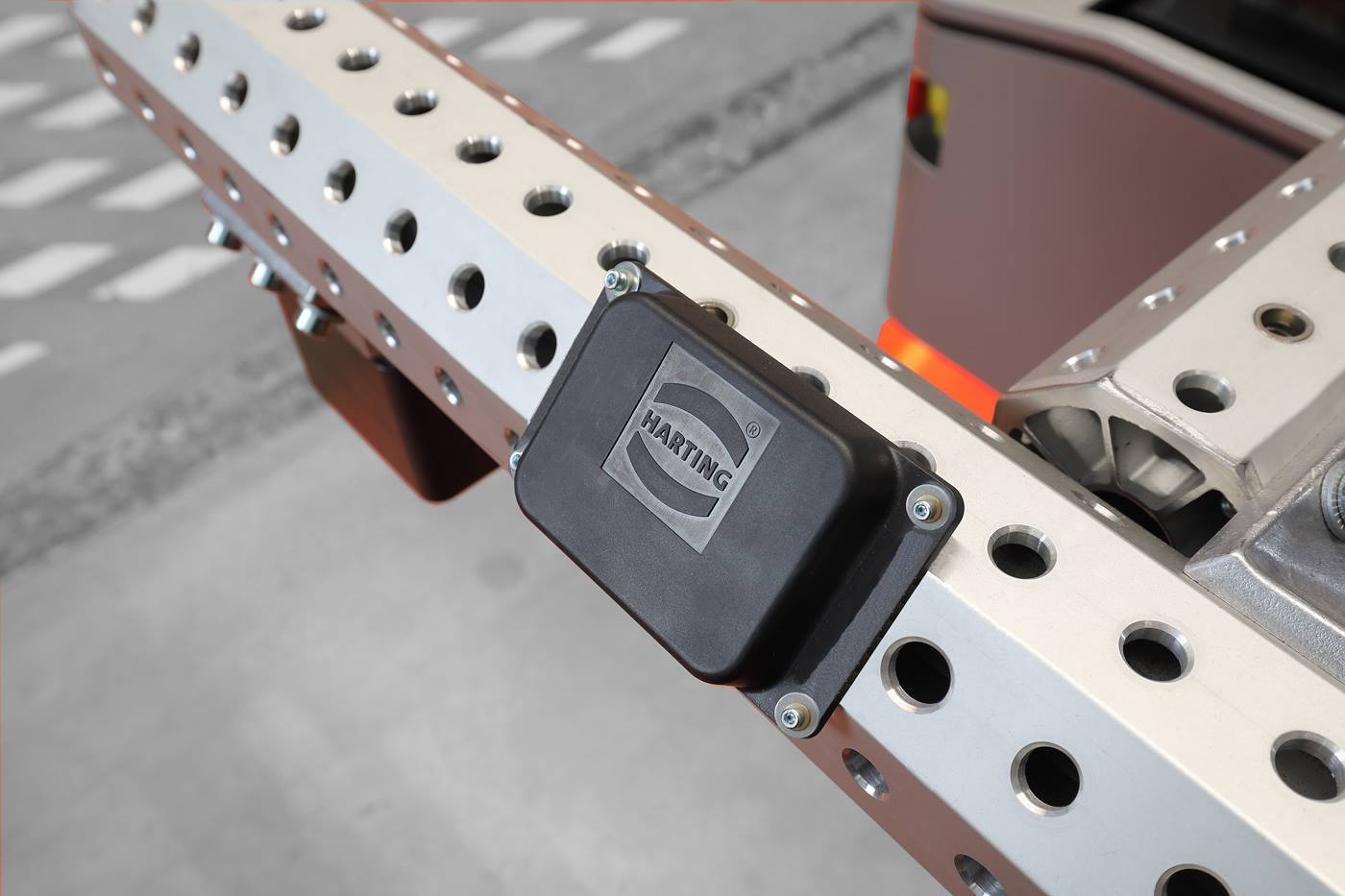
        The transponders are located on the component fixtures, on the grippers or on process equipment such as the spot weld gun. On entry into or exit from the cells and after process steps, the transponders are read (RFID check-in) or written (RFID check-out).

        RFID transponder (RFID TAG) mounted on component fixtures

        These data – concerning, among other things, weight, time of maintenance, operating hours and errors that have occurred – can be sent to the?KUKA Cloud?by means of OPC_UA and evaluated.?Processes can be optimized?and data – for example, from tools – are?promptly made globally available, thus providing commercial benefits. Furthermore, RFID technology provides an additional control beyond the KUKA SmartProduction_control software. Creation of the component history also helps with international project cooperation.?

        If, for example, tools and fixtures are exchanged internationally, employees on site can read the chip and have all necessary information at their disposal. In the future, RFID technology will become more and more powerful.

        Markus Ott, KUKA RFID technology project coordinator at the SmartProduction Center

        Summary

        RFID technology will make the barcode obsolete since it cannot provide the advantages of rewritability and resistance to dirt. These, however, are essential for production in the age of Industrie 4.0. Transponders make for smart objects and transparent manufacturing and offer a further control in addition to the KUKA SmartProduction_control software. With its system, HARTING supplies an open platform, thereby enabling easy integration into KUKA matrix production. Exchange between the KUKA software and the cloud thus becomes possible. The experience gained here has long-term benefits as it allows standards to be established in future projects.?

        World map of KUKA locations

        Find KUKA system partners in your area

        Find the right partner for your industry or specific challenge here.

        主站蜘蛛池模板: 欧美伊人久久大香线蕉综合| 国产精品一线天粉嫩av| 最新亚洲中文字幕| 美女黄18以下禁止观看| 日韩欧美亚洲一区二区综合| 欧美日本精品一区二区三区| 永久免费无码av网站在线观看| 亚洲av激情久久精品人| 超碰人人草| 国产亚洲日韩欧美一区二区三区| 欧美成97爱| 狼友视频污| 超碰热| 99久久婷婷国产综合精品青草漫画| 亚洲色av天天天天天天| 大白屁股流白浆一区二区三区| 怼嫩草白浆国产一区| 五月婷婷六月丁香| 日韩一区不卡中文字幕| 人妻夜夜添夜夜无码av| 精品一区二区成人码动漫| 无码精品人妻一区二区三区中| 免费看污视频的网站 | 视频国产精品丝袜第一页| 蜜桃av亚洲精品一区二区| 国产福利午夜十八禁久久| 手机看片欧美日韩| 制服丝袜在线视频| 海伦市| 天堂69亚洲精品中文字幕| 日韩av影院在线观看| 中文字幕一区二区三区久久蜜桃| 国产一区二区精品久久呦| 国产成人精品AV在线观| 亚洲伊人色| 九九热无码视频| 亚洲人成网站色7799| 亚洲一区二区三区 无码| 免费a级毛片18以上观看精品| 久久av色欲av久久蜜桃网| 三成人免费看|