<sub id="for6y"><s id="for6y"><form id="for6y"></form></s></sub>

    <cite id="for6y"></cite>

        <s id="for6y"></s>
        亚洲一品道一区二区三区,国产无套粉嫩白浆在线,51妺嘿嘿午夜福利,人人妻人人澡人人爽人人精品av,欧美一区二区三区欧美日韩亚洲,欧美一本大道香蕉综合视频 ,884aa四虎影成人精品,国产精品久久久久久福利69堂

        Select your location:

        Location

        AGV vs. AMR: Differences, applications, costs & decision support

        AGVs and AMRs are designed for similar transport tasks but differ fundamentally in terms of flexibility, infrastructure, and scalability. This article offers a concise, easy?to?understand guide to selecting the right technology and understanding the long?term implications of your choice.


        What is an AMR?

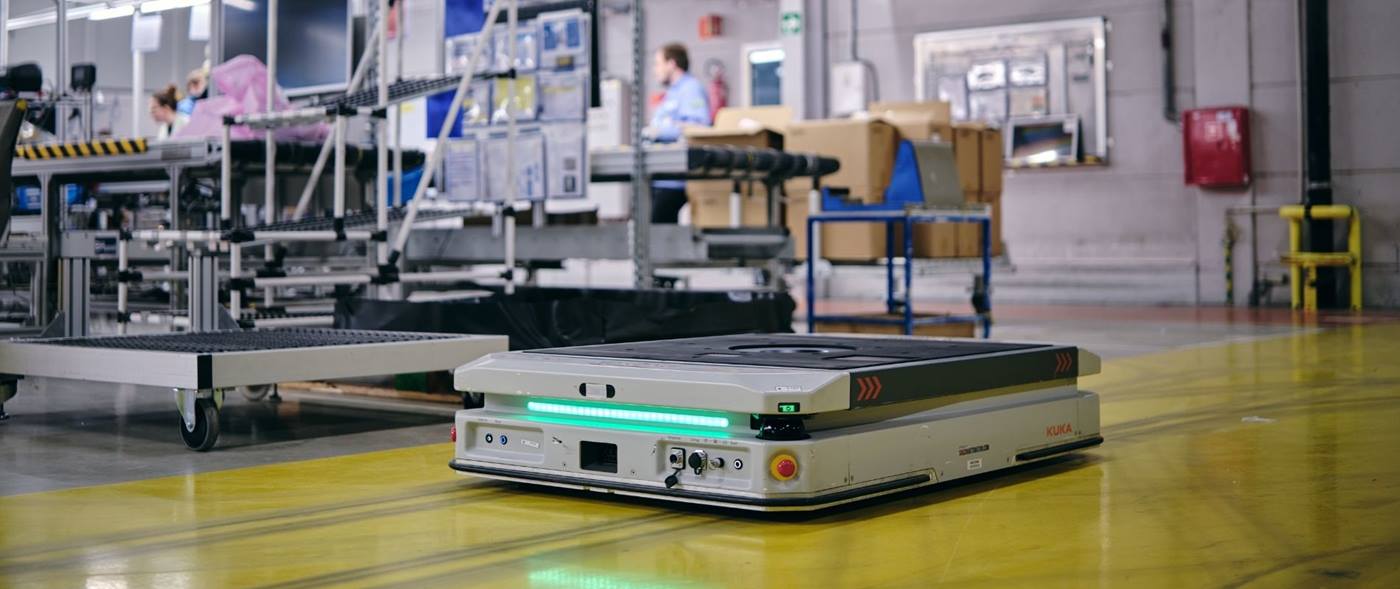
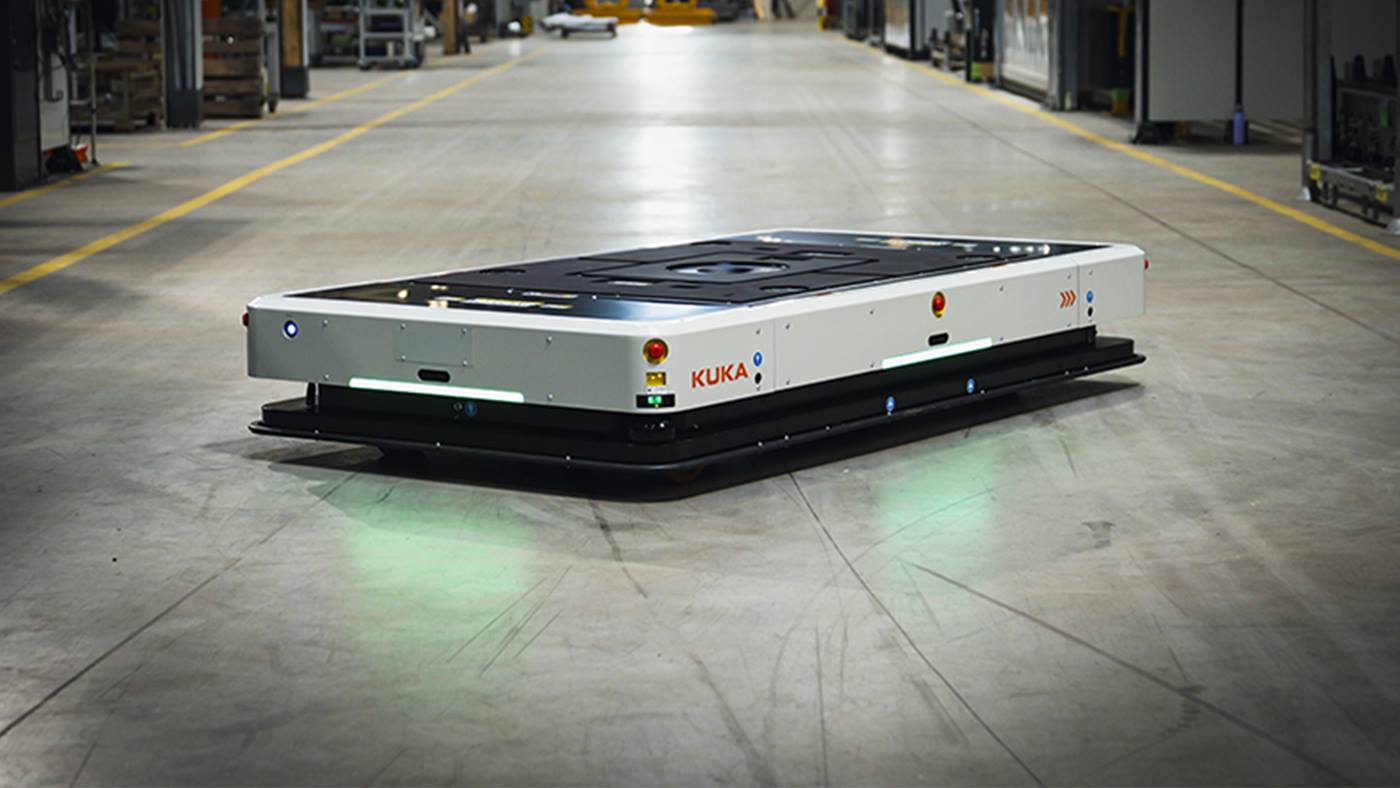
        An Autonomous Mobile Robot (AMR) is a self-driving system that moves materials or goods in industrial and commercial environments without human intervention. Unlike AGVs, AMRs navigate dynamically using advanced sensors, 3D cameras, and digital maps. They detect obstacles, avoid collisions, and adjust routes in real time, ensuring safe interaction with people. AMRs are best suited for environments with frequently changing processes, reducing risks and improving workplace safety.

        Mobile Robots AMRs rely on SLAM navigation, precise positioning, 3D cameras, and intelligent charging technology to enable adaptable applications.

        When is an AGV the right choice – and when is an AMR?

        AGVs are suitable when …

        • routes and processes are stable
        • high process reliability is required on fixed routes
        • changes occur infrequently

        AMRs are suitable when …

        • Layout/requirements change frequently
        • Obstacles are dynamic and it is important to be able to navigate around them
        • Flexible scaling/adaptation is important

        AGV or AMR – which system is the right choice for your company?

        Not every system is equally efficient everywhere. We analyze which technology is best for your warehouse or factory environments and which functions are actually necessary. Benefit from personalized management advice and tailor?made solutions expertise for businesses.

        What are the differences between AGVs and AMRs?

        Feature Guided Vehicle AGV Mobile Robot AMR
        Navigation Operates along fixed pathes, guided by magnetic wires, QR codes, or floor markings. Navigates dynamically using sensors, cameras, and SLAM (Simultaneous Localization and Mapping).
        Flexibility Limited adaptability to changes in production layouts. High flexibility, adapts to dynamic environments in real time.
        Adaptation of routes & fleet Difficult to adjust, often requires structural changes. Flexibly scalable and adaptable via software – no conversion required.
        Infrastructure requirements Higher risk of infrastructure-related downtime and maintenance costs when changes are needed. Physical guidance systems like magnetic tape or wires increase complexity and maintenance effort. Lower infrastructure costs and minimal physical maintenance, with faster deployment. Maintenance focus shifts to software updates and sensor calibration – ideal for dynamic environments.
        Sensors AGVs use basic sensors, primarily for collision avoidance. AMRs use advansed sensors (LiDAR, cameras) for environment detection, navigation and dynamic response.
        Safety Basic protection, often reliant on external safety equipment. Integrated safety mechanisms that detect people and obstacles and actively respond to them.
        Applications Commonly used in automotive assembly lines and warehouses with predictable layouts. Handle material transport, production supply, and warehouse automation across industries such as automotive, electronics, logistics, food, and pharmaceuticals.
        Advantages Proven, cost-effective solution for standardized processes. Intelligent, scalable solution for complex and changing requirements.
        Disadvantages AGVs have limited flexibility and are heavily dependent on infrastructure and wires. Thanks to technological advances, AMRs are now comparable in price to AGVs – while offering greater flexibility and easier integration.

        How many AMRs does your production need?

        Our fleet calculator provides a well?founded initial assessment in just a few seconds. Calculate now!

        Types of AMR for different tasks

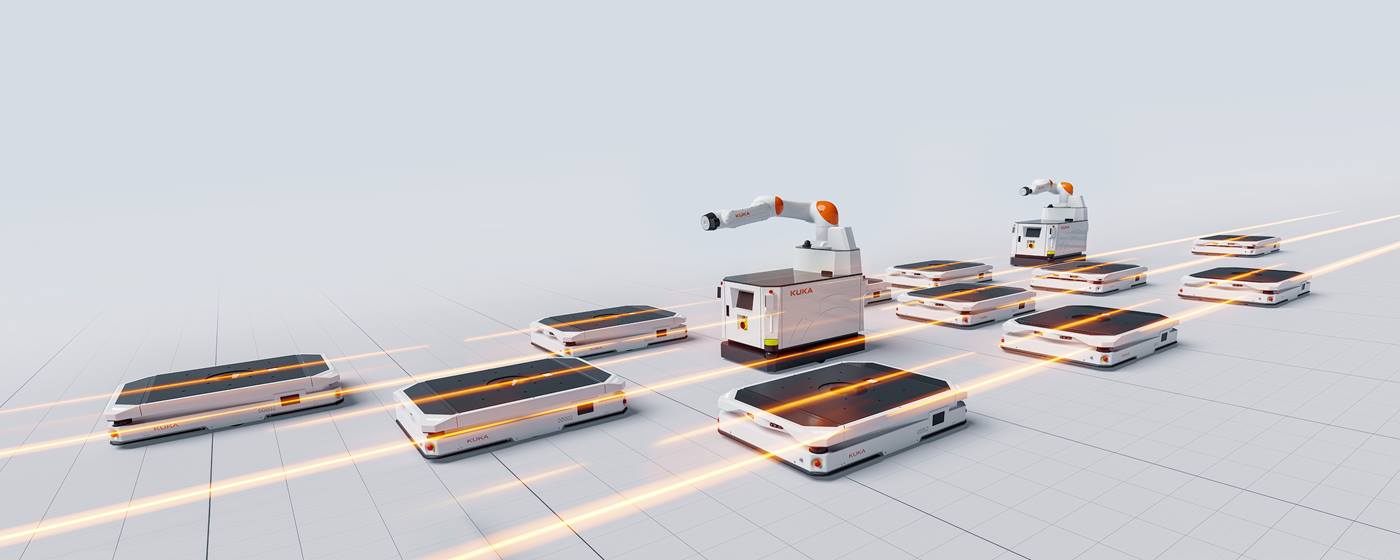
        Depending on requirements and the application environment, companies can choose from a range of AMR systems – from topload applications and autonomous mobile robots with manipulators to AMR tuggers. These versatile robots perform tasks such as transport of pallets and packages safely and precisely using integrated lifting platforms, move shelves and trolleys through production and warehouse areas, or handle complex applications like machine loading and quality control directly on the production line. In addition, AMRs can be equipped with conveyor belt modules to reliably pick up products at the end of the line and automatically forward them.


        Used Tags

        AutomationLogistics
        主站蜘蛛池模板: 日韩精品中文字幕一线不卡| 国产桃色在线成免费视频| 在线视频A| 亚洲女初尝黑人巨高清| 国产成人精品无码一区二区三区| 91天堂| 久久婷婷国产精品香蕉| 日韩av高清在线看片| 自拍偷拍网| 国产互换人妻XXXX6| 色Avav| AV激情亚洲男人的天堂| 忘忧草在线社区www中国中文 | 内射一区二区三区四区| 国产在线精品综合色区| 亚洲成人久久久| 999福利激情视频| 国产国产人免费视频成18| 亚洲国产欧美在线人成| 日韩精品中文字一区二区| 精品一区二区av| 国产欧美一区二区精品久久久| 秦皇岛市| 久久久亚洲精品午夜福利| 国产亚洲人成在线影院| 涩欲国产一区二区三区四区| 欧美国产日韩在线三区| 夜夜嗨av一区二区三区四区| 婷婷五月在线视频| 国产精品xxx大片免费观看| 欧美一级日韩不卡播放免费 | 四虎永久免费影库二三区| 成人亚欧欧美激情在线观看| 国产亚洲无线码一区二区| 97人妻中文字幕精品| 国产福利影院| 久久综合色天堂av| 国产精品v欧美精品∨日韩| 亚洲天堂网色图伦理经典| 爱性久久久久久久久| 日韩AV无码午夜免费福利制服|